The Cherokee Nation in Oklahoma is integrating its cultural traditions into a new residential and outpatient treatment center funded by opioid settlement money, aiming to provide a culturally competent approach to addiction recovery.
Cultural Healing in Recovery
Juli Skinner, a citizen of the Ponca Tribe of Oklahoma and senior director of the Cherokee Nation's behavioral health center, emphasized the protective role of culture. 'Culture is such a protective factor,' she said. 'Historical trauma has hit a lot of people — Native Americans, tribes — hard. Lost language, lost traditional ways, and we'll never get all of that back.'
Despite recognizing these benefits, inpatient treatment options for Cherokee Nation citizens have never incorporated cultural elements. That changes next year when the tribe opens a 45,000-square-foot campus in Tahlequah, Oklahoma, featuring 100 inpatient beds and an outpatient hub. The facility will include a stickball court, a garden for traditional foods like selu (corn), and a sweat lodge nearby.

Opioid Settlement Funding
The $150 million facility is funded by settlements with opioid manufacturers, part of the roughly $58 billion in total settlements reached by states, local governments, and tribes. The Cherokee Nation, the largest of 575 federally recognized tribes, was the first to sue opioid manufacturers in 2017. Principal Chief Chuck Hoskin Jr. said the tribe wanted to take an active role after missing out during tobacco litigation in the 1990s. 'There will never be another era in which there's some industry that does damage to the Cherokee Nation, damage to the Cherokee people, where we will be bystanders looking for state legislatures, state attorneys general to get us justice,' he said.
Addressing the Crisis
The opioid crisis has disproportionately affected Native Americans, especially since fentanyl emerged. Between 2020 and 2024, more than 1,000 people died in the Cherokee Nation's 14-county area. Hoskin described the effort as existential: 'Whether what it means to be Cherokee is going to continue on; that’s only true if we have people that continue our lifeways and continue to speak our language and pass that down.'
Design and Community Input
The center's design incorporates cultural elements, with large windows facing east to greet the rising sun. Listening sessions with community members and elders guided the layout. Cherokee language experts are finalizing a name. Skinner noted that 50 to 70 tribal citizens need residential treatment each month, and the new center will be the first fully operated by the tribe, at no cost to citizens.
Continuum of Care
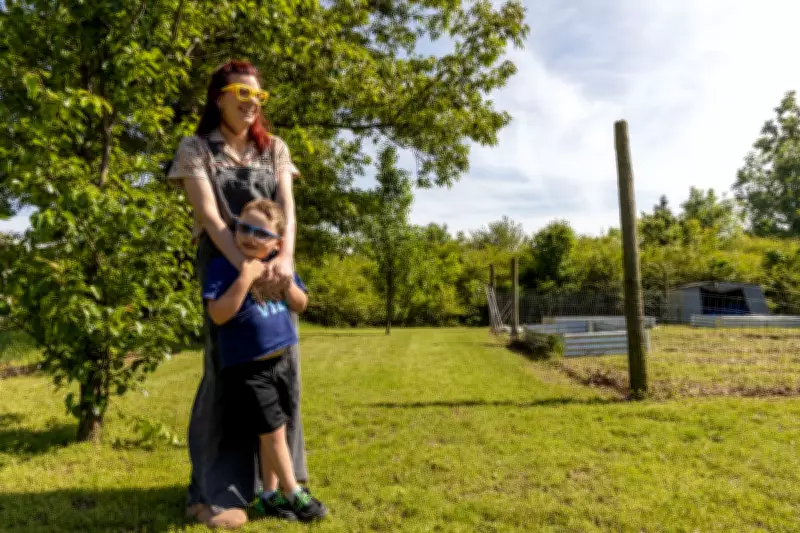
The Tahlequah facility will be one of three intensive outpatient locations on the reservation. Skinner emphasized building a continuum of care, including various treatment options beyond inpatient care. Ashley Caudle, a Cherokee Nation citizen in Stilwell, reflected on the potential impact: 'The opportunities that people will have with this facility and the potential is huge.' She continues to heal and pass on resilience to her son, Elliot.