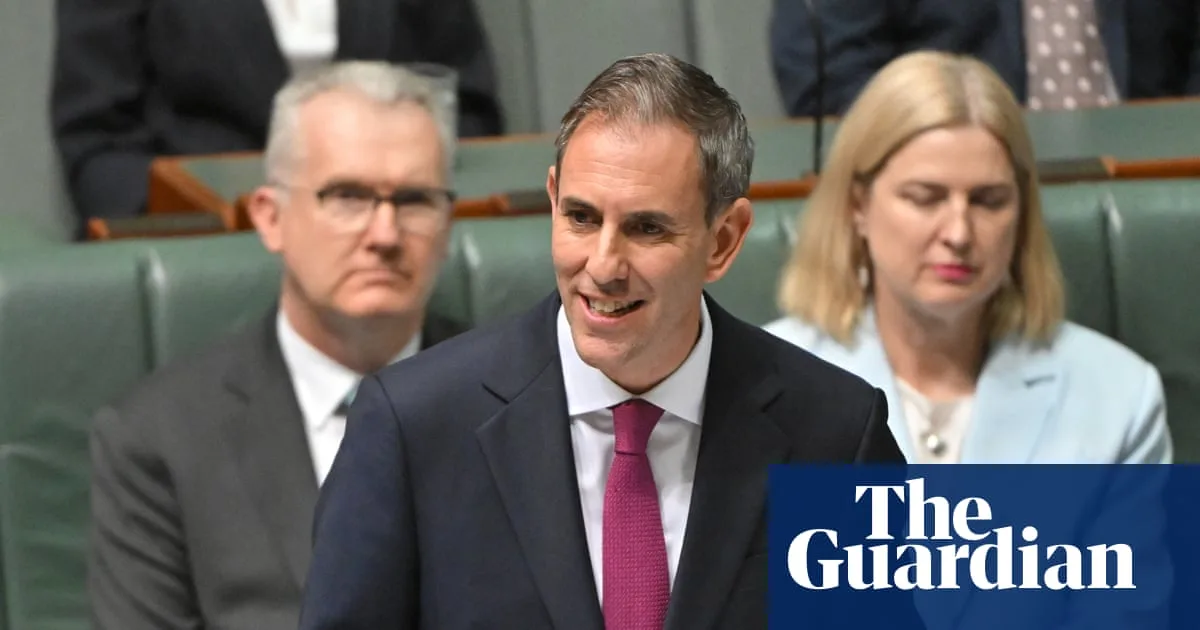
Treasurer Jim Chalmers has announced the most significant tax reforms since the Howard era, targeting property investors to improve housing affordability for first-home buyers. The budget, presented amid global economic uncertainty from the Iran war, abolishes negative gearing for new investors and replaces the 50% capital gains tax discount with an inflation-indexed system similar to that in place before 1999. Treasury modelling indicates the changes could help an extra 75,000 Australians purchase homes over the next decade.
The budget also includes deep cuts to the National Disability Insurance Scheme (NDIS), saving A$36.2bn over four years. Chalmers described the NDIS changes as “difficult but necessary reform”. The government expects these structural savings, combined with higher commodity prices and inflation, to return the budget to surplus within a decade, despite a projected deficit of A$28.3bn for 2025-26.
Tax relief for workers includes an automatic A$250 “working Australians tax offset”, delayed until 2027-28, and a A$1,000 instant deduction benefiting 6.2 million people in 2026-27. The budget also allocates A$2.6bn for a temporary 26-cent cut to fuel excise. However, no major new cost-of-living measures were introduced, as the government chooses to keep “powder dry” amid a worst-case scenario modelling a doubling of oil prices to US$200 a barrel.
Chalmers argued the public is ready for difficult choices to revive intergenerational fairness and home ownership. “We choose the hard road to reform, not the path of least resistance,” he said. The reforms are expected to pass parliament easily due to Labor’s majority in the House of Representatives and a favourable Senate.
Shadow treasurer Tim Wilson criticised the budget for higher taxes and debt, confirming the Coalition would oppose the property tax changes but support the workers’ offset. Greens leader Larissa Waters warned the proposals did not go far enough, accusing the government of “tinkering around the edges” of a broken system.