The Rise of CEOism: When Bosses Become the Brand
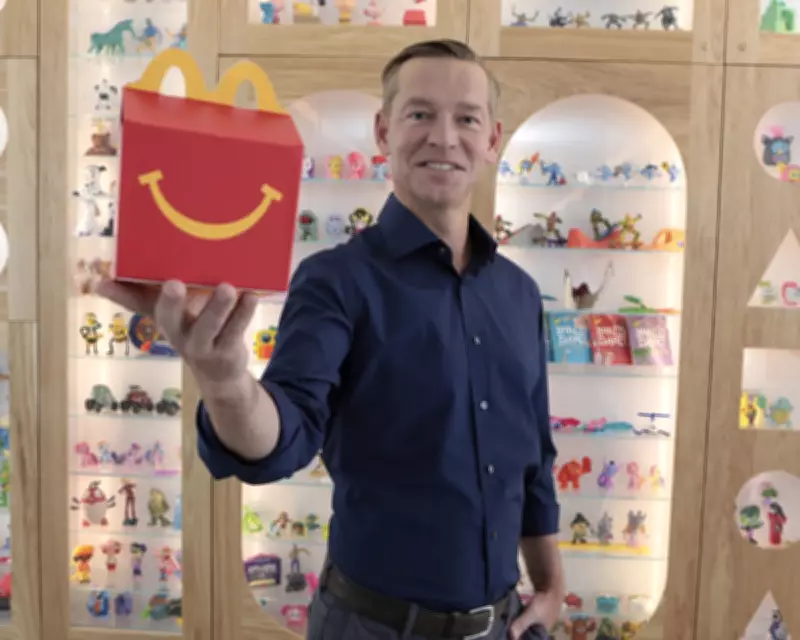
In a recent video, McDonald's CEO Chris Kempczinski, casually referred to as "Chris K," sampled the chain's new "Big Arch burger." The clip, set against a sterile corporate backdrop with harsh lighting, featured Kempczinski awkwardly eating while wearing a shirt under a light wool V-neck, labelling the item a "product" in a stilted tone. Despite McDonald's vast marketing budget and commercial success, this move sparked mockery and memes, with rivals like Burger King and Wendy's posting their own versions. Some market analysts argued it drove engagement and sales, but to many, it exemplifies a growing trend: CEOism, where leaders centre themselves in campaigns simply because they can.
Beyond Fast Food: A Widespread Phenomenon
Chris K is not alone in this spotlight-seeking behaviour. During the Super Bowl, the founder of Ring appeared in the company's ad, only for it to backfire due to public concerns over dystopian surveillance, forcing him into an "apology tour" that kept him at the story's heart. In sports, FIFA President Gianni Infantino has repeatedly inserted himself into the game over his decade-long tenure. At the Qatar World Cup, he interrupted the first match to give a welcoming address from the stands, and ahead of the Club World Cup, he unveiled a sticker album featuring himself among players. In December, at a World Cup draw ceremony, he plastered himself all over the event and unilaterally awarded Donald Trump a FIFA peace award.
Historical Context and Modern Drivers
CEOism is not entirely new; waves have recurred for years, with figures like Steve Jobs and Richard Branson becoming household names. In the 1970s, businessman Victor Kiam famously advertised Remington shavers by claiming he liked them so much he bought the company, creating a lasting catchphrase. Today, the trend seems more pronounced, driven by companies seeking relatability and approachability, such as AI firms trying to appear non-evil, often with mixed results. Since the beginning of Trump's second term, there's a sense that the boss class feels emboldened, shifting from a decade where leaders pretended to listen to employees to one where they demand attention, with billionaires opining on fertility rates, technological arms races, and even human survival, like Jim Ratcliffe spreading falsehoods about immigrants.

Public Perception and Cultural Shifts
Years ago, a local London pub with terrible bar staff saw lines grow deep as servers chatted among themselves, seemingly believing customers were there to admire them rather than be served. This analogy reflects a fear that CEOs similarly mistake interest in their products for interest in themselves. However, social media marketers argue audiences want to hear from brand insiders, not just have products shoved at them, as seen with the success of podcasts like "The Diary of a CEO" and the ubiquity of "high performance" rhetoric. This suggests a cultural shift where people might actually enjoy this content, challenging nostalgic desires for a time when CEOs droned about EBITDA and could be ignored.