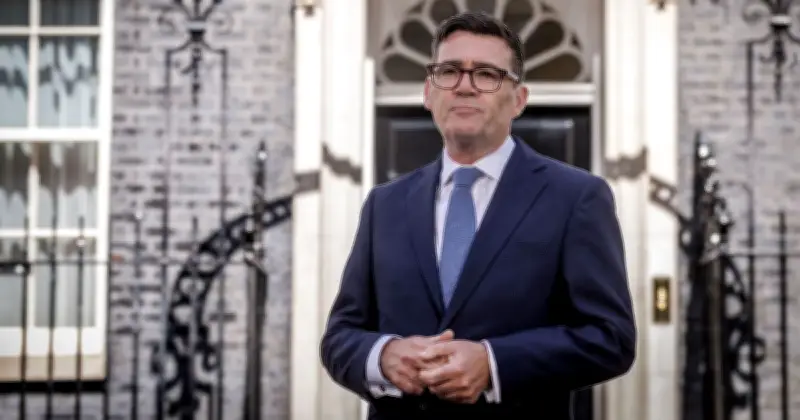
Andy Burnham's first act as prime minister—a VAT cut on household electricity bills—has been met with scorn, with critics calling it an unfunded, short-term gimmick that fails to address the scale of the cost-of-living crisis.
The early-hours announcement promised to reduce VAT on electricity from 5% to 0% for six months, giving households an average saving of £45. However, the policy was immediately questioned on multiple fronts.
Unfunded and short-lived
The cut is estimated to cost at least £850m over winter and into next year, but no clear funding source has been identified. The government has pointed to scrapping a digital ID scheme, but that was projected to save only £600m over three years, leaving a potential £250m gap.

Furthermore, the VAT reduction is only temporary—lasting until April 1, 2026—after which the full 5% will be reinstated. This creates uncertainty for households on fixed tariffs that straddle the end of the cut.
Price cap rise offsets savings
Money Saving Expert Martin Lewis noted that the energy price cap is predicted to rise by 5.1% on October 1, adding about £93 to a typical bill. This would wipe out the £45 saving from the VAT cut for those on the standard variable tariff, though those on fixes would still see a 4.8% reduction.
Lewis said: “I’ve just got the latest energy bill predictions. The average of three sources show the price cap (which limits the maximum unit price of gas and electricity) rising 5.1% on October 1 - as the last week has seen very high wholesale rates. An annualised rise of £93 on a typical bill. If this happens it will wipe out any household savings from the VAT cut during that price cap period (those on fixes will still see a 4.8% reduction).”
Budget uncertainty looms
Burnham's first budget is expected in October, possibly just days after the VAT cut takes effect. It is likely to reveal how the policy will be funded, with experts warning of major tax rises to cover £22bn of unaccounted spending pledges.
The Office for Budget Responsibility had previously stated that “no specific savings” had been found to fund the former PM's failed flagship ID programme, which was cited as a potential offset.
Critics argue that the £45 handout—roughly the cost of a budget pub meal for two or 25 first-class stamps—does little to ease the burden on households facing rising bills, and that the true cost will be borne by taxpayers in the autumn.