

British Gas Chief Executive Pockets £3.6 Million Bonus Amid Profit Slump
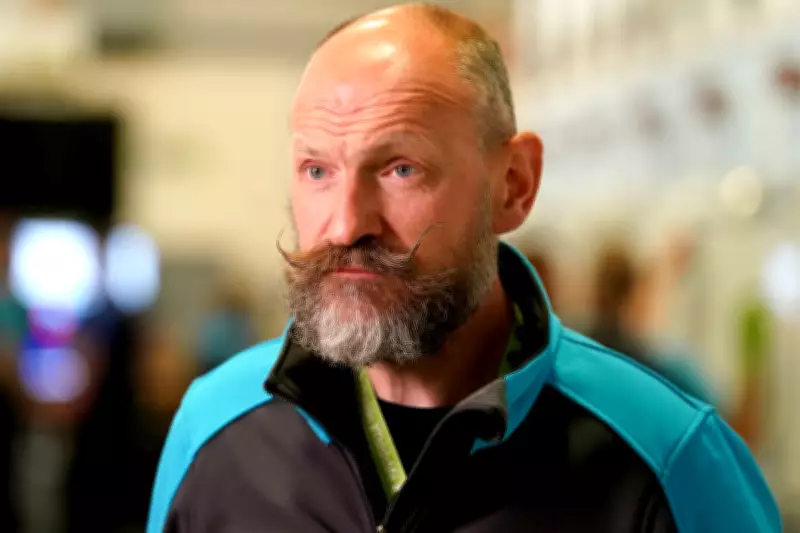
The chief executive of British Gas owner Centrica, Chris O'Shea, has secured a substantial £3.6 million in bonuses and share awards for the year 2025, despite the energy giant witnessing a dramatic near-halving of its underlying earnings. The company's annual report, published on Friday 20 February 2026, revealed these payouts alongside stark financial results that highlighted significant challenges in the energy sector.
Details of the Executive Pay Package
According to the disclosed documents, Mr O'Shea's remuneration for 2025 included a £1.4 million annual bonus and a further £2.2 million in long-term share awards. These figures were in addition to his base salary of £1.04 million, bringing his total pay package for the year to £4.73 million. While this represents a slight decrease from his £5.08 million package in 2024, the bonuses have sparked controversy given the company's financial performance.
Centrica's Financial Performance in 2025
The full-year results showed that Centrica's underlying earnings plummeted to £814 million in 2025, a sharp decline from £1.55 billion recorded in the previous year. This significant drop was attributed in part to an £80 million impact from unusually warm weather on the household supply arm of the business. Specifically, earnings in the household energy supply division tumbled by 39 per cent to £163 million, as customers reduced central heating usage and switched to cheaper fixed tariff deals during the milder conditions.

Shareholder Discontent and Historical Controversy
The hefty bonuses awarded to Mr O'Shea come despite notable shareholder unrest. At last year's annual general meeting, nearly 40 per cent of shareholders voted against the board's pay plans, indicating significant dissatisfaction with executive compensation. This is not the first time Mr O'Shea's pay has courted controversy; he previously admitted there was "no point" trying to justify an £8.2 million package in 2023, which drew public and investor scrutiny.
Future Pay Increases and Employee Comparisons
The annual report also disclosed that Mr O'Shea's salary will increase by 3 per cent to £1.13 million per year starting from 1 April. The wider workforce of approximately 22,000 employees at Centrica will receive average pay rises of 3 per cent to 4 per cent. However, the pay ratio between the CEO and the average employee remained stark, standing at 71:1 last year, meaning Mr O'Shea earned 71 times more than the typical Centrica worker.
Company Justification and Market Response
In its report, Centrica's remuneration committee defended the adjustments to Mr O'Shea's pay, stating: "The committee believes that the adjustments to Chris O'Shea's remuneration in 2025 aligned with competitive market rates given the size and complexity of Centrica." They added that his performance and experience over the last five years since his appointment as group chief executive warranted positioning his pay between the median and upper quartile of other CEOs in the FTSE 100.
Despite this justification, shares in Centrica fell by 5 per cent in Thursday afternoon trading, having dropped as much as 10 per cent earlier in the day. This decline followed the announcement in the full-year results that the company was pausing share buybacks to prioritise an investment programme aimed at creating lasting value for shareholders.
CEO's Statement on Business Challenges
Mr O'Shea commented on the company's performance, saying: "The environment has been challenging, and performance has varied across the business. However, we have remained disciplined, delivering strong operational performance and achieving customer growth across all our retail businesses simultaneously for the first time in over a decade." He further explained the decision to pause buybacks, noting: "Pausing the buyback enables us to prioritise investment that creates lasting value for shareholders, while continuing to deliver the reliable, affordable energy that households and businesses need to power economic growth through the transition."

The juxtaposition of executive bonuses against declining profits and shareholder dissent underscores ongoing debates about corporate governance and pay fairness in the energy sector, particularly as consumers face high bills and companies navigate volatile market conditions.





