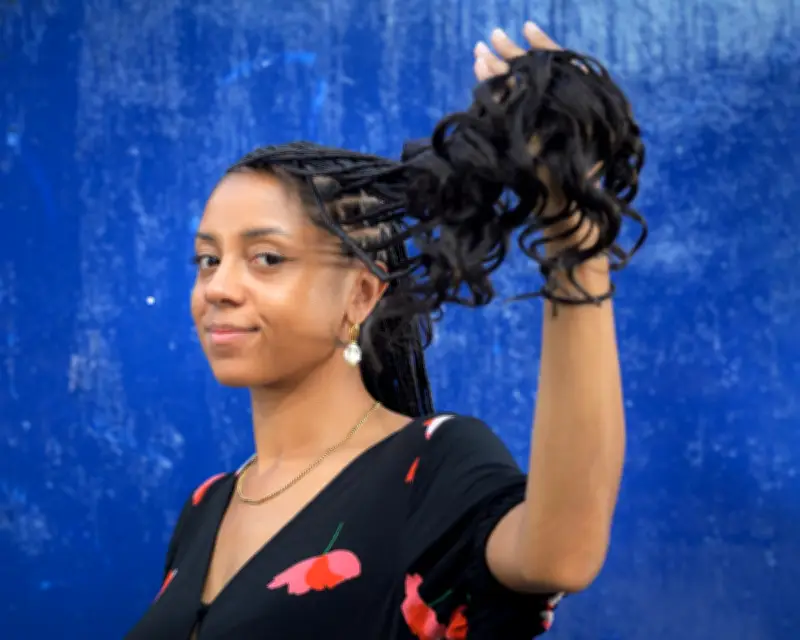
Getting a braiding appointment has become a labyrinthine task. The once low-maintenance, budget-friendly style now involves dizzyingly high costs and lengthy maintenance regimes.
The price of braids
In London, knotless braids cost between £150 and £250. In New York, the same style can reach $450 (£339). Each inch of labour is priced separately: waist-length costs £20 more than bra length; small braids add £40 over medium. Pre-stretching hair costs an extra £20, washing and blow-drying adds £20-35, and boho or goddess braids can be £50 more. Human hair bundles, which avoid matting, cost upwards of £250.
For comparison, the Long Wave’s Nesrine Malik got Dutch braids in Nairobi for £2, and a full head of knotless for £20. But the author found booking a next-day slot in London nearly impossible: her usual salon requests a month’s notice; another wanted a private room for a photographer, bumping the bill to £600.
Why costs are rising
Salons are in high demand. One salon told the author: “We have a high demand for braids, which is why it is hard to be super flexible.” Black stylists face pressure to accommodate all hair types, requiring more products. Anna Gifty Opoku-Agyeman, economist and author of The Double Tax: How Women of Color Are Overcharged and Underpaid, notes that the cost of beauty has risen due to inflation and growing beauty standards. Tariffs on synthetic hair from China have also hit Black women hard. Black-owned businesses struggle to gain investment, leading to low supply and higher prices for conditioners and gels.
Opoku-Agyeman cautions against blaming braiders: “You have your sort of corner case type people, who will charge you just for parting your hair, right? I think [this] is preposterous, but I don’t know how frequent they are.” She points out that most braiding products are not sourced from Black-owned businesses, so the ire is often misdirected.
The societal cost
Malik recalls: “Braiding used to be a matter of convenience and low maintenance. Branded as a ‘protective style’, it felt like something that could deliver you from the hamster wheel of washing and drying and curling or straightening. Now it is its own elaborate stressful affair.” She adds that many are told they’re doing it wrong: not washing enough, keeping them too long, braiding too tight or too heavy.
One in five Black American women aged 25-34 have been sent home from work for their hair. Opoku-Agyeman says: “People are willing to spend $500 to get their hair done, because if I don’t, I’m not going to get the job … you could get suspended. You could get expelled.” The pressure to be “presentable” comes from within and outside Black communities, making braids a necessity that now demands luxury prices.