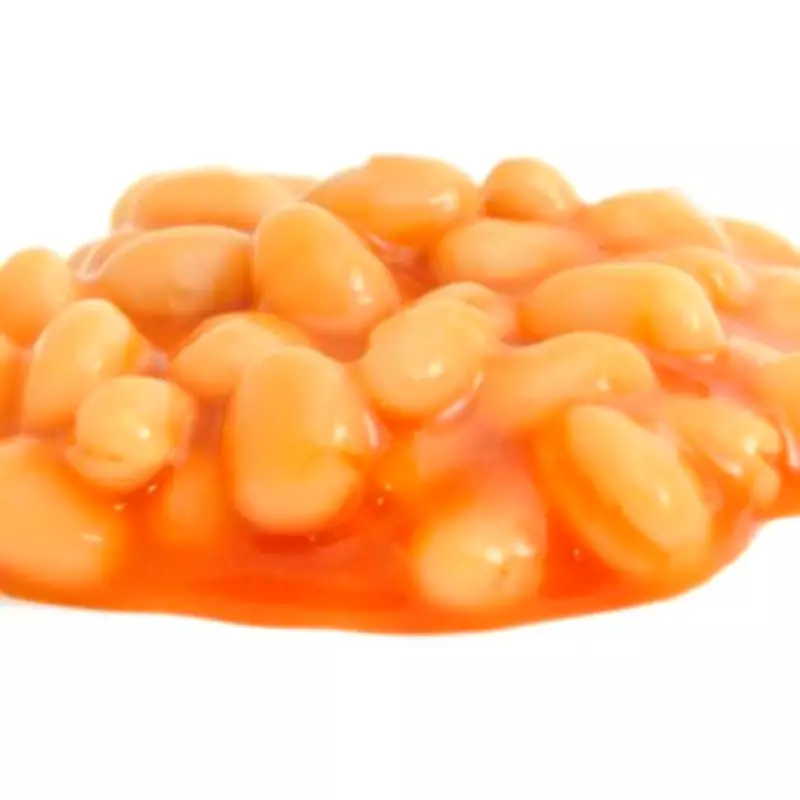
Swapping sausages for baked beans could be key to avoiding a heart attack, new research suggests. A scientific review has found that people who consume more legumes—such as beans, peas, chickpeas, and lentils—as well as soy-based foods have a significantly reduced risk of developing high blood pressure.
Legumes as a Protein-Rich Alternative
Legumes are a rich source of protein, minerals, and fibre, making them a healthy replacement for red and processed meats, which are known to increase the risk of cancer and heart disease. Researchers from King's College London and other institutions analysed 12 studies involving over 100,000 participants. Their findings indicated that consuming just under two portions of legumes per day was linked to a 30% lower risk of dangerously high blood pressure.
Optimal Intake and Nutritional Benefits
The study concluded that eating around 170g of legumes daily—equivalent to about five to six tablespoons of cooked beans, peas, chickpeas, lentils, or soybeans—was the optimal amount for reducing hypertension risk. For soy-based foods, the optimal intake was 60-80g per day, which was associated with a 28-29% reduction in high blood pressure risk. Soy-based foods include tofu, edamame, tempeh, and miso.

Study author Dr Dagfinn Aune explained that the benefits may stem from the high levels of potassium, magnesium, and dietary fibre found in legumes. These nutrients have demonstrated blood pressure-lowering effects and are linked to lower rates of hypertension and overall cardiovascular disease risk.
Considerations and Expert Comments
Baked beans are typically made from navy or haricot beans, which are pulses and a subset of legumes. However, the tomato sauce in canned baked beans often contains added sugar, which can mitigate some health benefits. The British Heart Foundation (BHF) noted that legumes are a cheap and healthy source of plant-based protein. Tracy Parker, senior dietitian at BHF, said: "This reinforces existing UK guidance to eat more beans, lentils, and other plant-based foods. Legumes and soy are naturally low in saturated fat and salt, and provide fibre, potassium, magnesium, and plant proteins—nutrients known to help maintain healthy blood pressure."
She added: "Simple swaps, like choosing beans, lentils, chickpeas, or tofu in place of processed meats, can make a meaningful difference and help support healthier blood pressure as part of an overall balanced diet."
The review, published in the journal BMJ Nutrition Prevention and Health, adds to previous research that found a lower risk of heart disease with legume and soy consumption, though evidence regarding high blood pressure had been mixed.