Australia's economy has shown signs of recovery in the June quarter, driven by a welcome surge in household spending, despite weak productivity growth. The latest national accounts from the Australian Bureau of Statistics revealed real GDP grew by 0.6% in the quarter, up 1.8% year-on-year, marking an improvement after two years of sluggish growth.
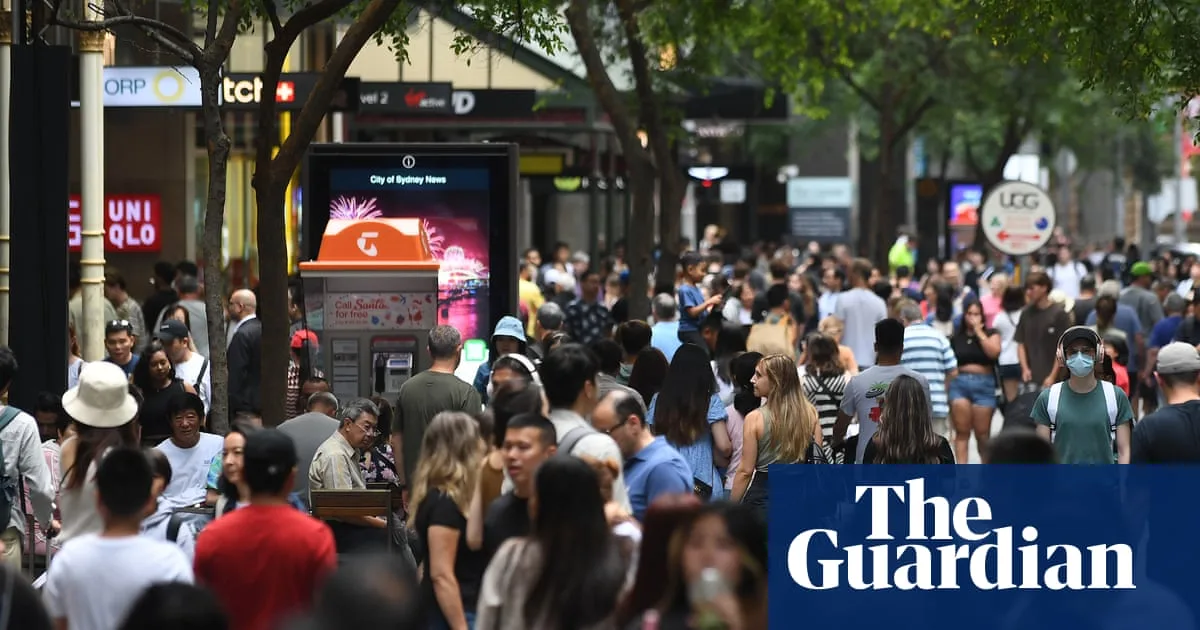
Household consumption was the main driver, contributing 0.4 percentage points to the quarterly growth. Spending rose 0.9% in the quarter and 2% annually, the fastest pace since late 2022. Australians spent more on travel, dining out, events, and end-of-financial-year sales, while cigarette and tobacco spending fell sharply by 8.2% as smokers turned to cheaper black market products.
Treasurer Jim Chalmers highlighted Australia's unique position among major advanced economies, with continuous growth, low unemployment (in the low fours), and inflation below 2.5%. However, he acknowledged persistent structural issues, particularly weak productivity growth. Labour productivity has stagnated over the past two years and remains at end-2019 levels.
Business investment remained a soft spot, falling 0.1% in the quarter and rising just 0.1% annually, dragged down by mining investment. KPMG chief economist Dr Brendan Rynne noted that households are feeling more confident due to near-full employment, tax cuts, and recent rate cuts. He expects two more rate cuts by early 2026.
The Reserve Bank's rate cuts in February, May, and September, along with falling inflation (2.1% by mid-year), have supported consumer confidence. However, the expiry of government energy subsidies also contributed to higher spending. Chalmers said boosting business investment is a key reform priority.