Australian Government Weighs Ethanol Increase to Alleviate Fuel Supply Crisis
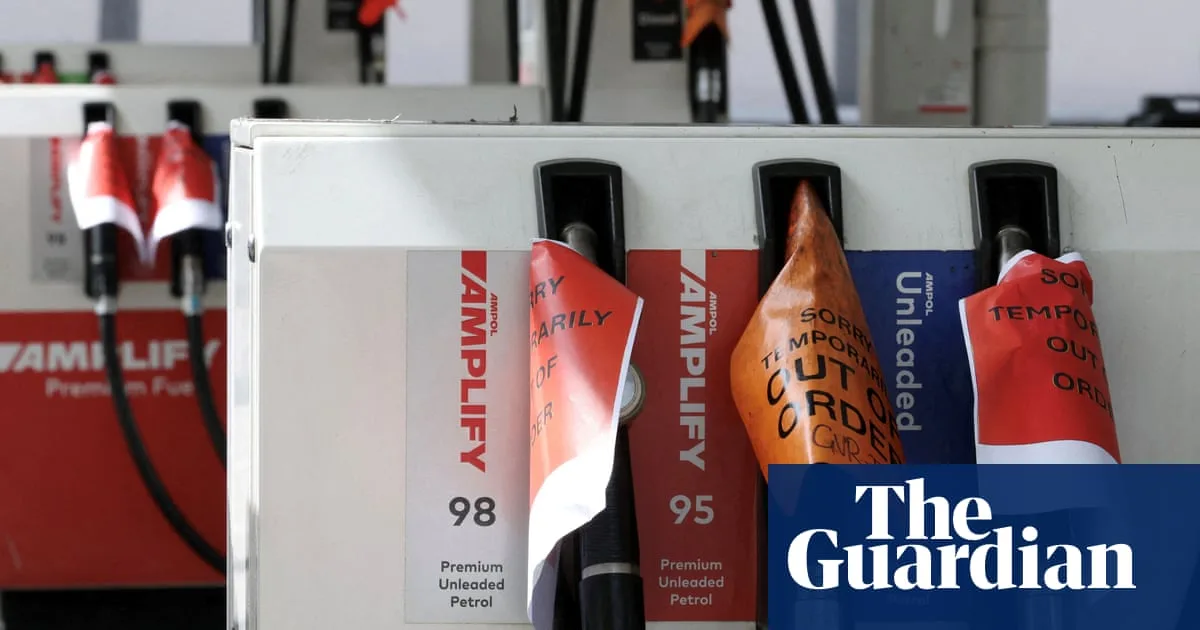
Empty fuel pumps across Australia have spurred federal ministers to contemplate raising the ethanol content in petrol as a strategic measure to bolster fuel supplies. This move, supported by motoring groups like the NRMA, comes amid escalating economic pressures from the ongoing Middle East conflict, which is triggering widespread concerns over inflation and sectoral disruptions.
Economic Ripples from Global Conflict Intensify
Treasurer Jim Chalmers has openly expressed that the conclusion of the war "can't come soon enough" for the Australian economy, highlighting the nation's vulnerability to external shocks. While Australia remains relatively well-prepared, Chalmers warned that the economy will inevitably face buffeting effects from the crisis.
In response to soaring diesel prices and supply constraints, Energy Minister Chris Bowen announced a temporary relaxation of diesel standards, permitting imports from additional markets such as the United States, Canada, and the European Union. This adjustment aims to mitigate shortages that are particularly affecting regional areas and smaller industries.
Farmers and Miners Sound Alarm on Inflation and Operations
National Farmers' Federation president Hamish McIntyre has issued a stark warning, indicating that food prices could become "very serious" for consumers within the next month. Rising production costs are forcing farmers to pass on expenses to maintain viability, potentially driving up inflation and interest rates across the board.
Simultaneously, the mining sector is experiencing operational cutbacks. Smaller mining companies, reliant on independent fuel distributors, are scaling back non-essential activities due to fuel supply shortages. Industry leaders, including Aaron Morey of the Chamber of Minerals and Energy WA, report that while major miners remain shielded for now, further constraints could jeopardize jobs and tax revenue.
Miners are advocating for classification as an essential service should fuel rationing become necessary, ensuring continuity akin to pandemic-era operations. Warren Pearce of the Association of Mining and Exploration Companies has urged governments to pressure major fuel wholesalers to prioritize supplies to smaller distributors.
Ethanol as a Short-Term Solution and Long-Term Strategy
Peter Khoury, spokesperson for the NRMA, advocates for encouraging motorists to use E10 fuels and exploring higher ethanol blends like E15, which are already utilized in countries such as the United States. He emphasizes that ethanol, derived from wheat starch or molasses sugar in Australia, offers a renewable alternative that can extend existing petrol stocks.
Currently, only New South Wales and Queensland mandate E10 usage, but ethanol producers and political figures like Nationals senator Bridget McKenzie suggest other states could adopt similar measures to unlock additional supply. Shadow energy minister Dan Tehan supports keeping all options on the table.
Shahana McKenzie, CEO of Bioenergy Australia, points out that even existing mandates are not strictly enforced, with some E10 fuels containing lower ethanol concentrations. She argues that a temporary national mandate could enhance fuel system resilience and boost domestic ethanol production capacity.
The Department of Climate Change, Energy, the Environment and Water, along with the fuel standards body, is actively assessing whether increased ethanol levels can safely augment fuel supplies without compromising vehicle safety.