

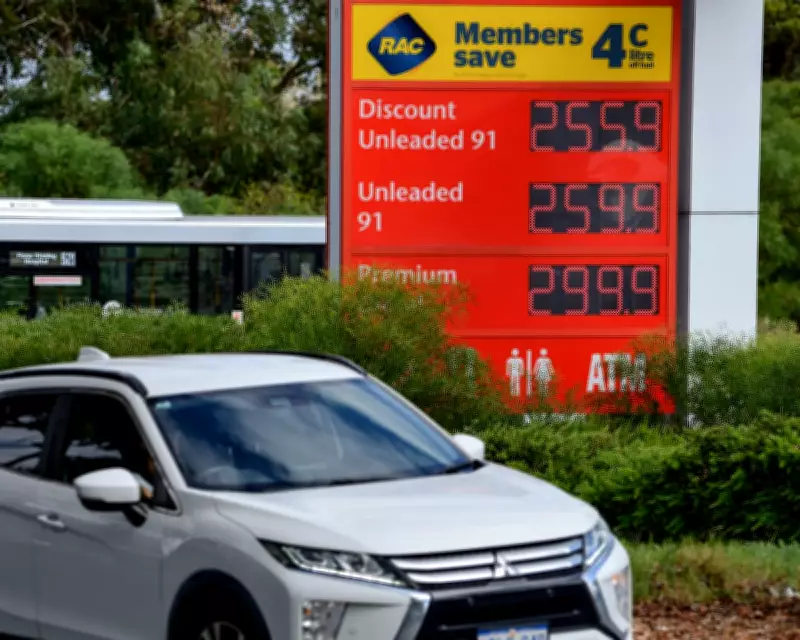
Pressure is intensifying on the Albanese government to assist households grappling with escalating fuel prices, as New Zealand introduces a pioneering cash relief package for families. With petrol costs soaring, solutions such as working from home and free public transport are being debated, while Treasurer Jim Chalmers has firmly rejected any reduction in the fuel excise.
New Zealand's Innovative Fuel Relief Package
Nearly 150,000 families in New Zealand are set to receive weekly cash payments to help cover petrol expenses, marking what is believed to be the world's first direct citizen payment scheme for fuel relief since the onset of the Israel-US war on Iran. This move has heightened expectations for similar action from the Australian federal government ahead of its May budget, aimed at alleviating the cost-of-living crisis exacerbated by global conflicts.
Government Stance on Fuel Excise and Tax Cuts
On Tuesday, Treasurer Jim Chalmers reiterated his opposition to cutting the fuel excise, which adds over 52 cents per litre to petrol prices—a fixed rate unaffected by market fluctuations. Instead, he highlighted tax rate reductions scheduled for the next financial year as the primary focus. Meanwhile, Social Services Minister Tanya Plibersek suggested that working from home could be beneficial for those struggling with fuel costs, though she stopped short of mandating it, emphasizing that individuals should only purchase necessary fuel.

Political Proposals and Opposition Views
The political landscape is rife with varied proposals. Shadow Employment Minister Jane Hume acknowledged the benefits of working from home but argued it would not significantly address fuel supply issues. In a parliamentary motion, the Nationals, Greens, and crossbench urged the government to provide accessible or free nationwide public transport during the crisis, with the Liberals abstaining. In New South Wales, the opposition called for daily fuel price caps and free Easter transport, but Premier Chris Minns noted existing heavy subsidies.
Gas Export Levy and Welfare Concerns
Independent ACT Senator David Pocock proposed a flat 25% export levy on gas producers to redirect what he termed "wartime profits" to support Australians, suggesting the revenue could also boost welfare payments. He argued that those on fixed incomes, such as pensioners, are disproportionately affected by rising costs. Greens Senator Penny Allman-Payne urged the government to pause mutual obligations for welfare recipients, citing the prohibitive cost of travel for appointments. Economic Justice Australia echoed these concerns, highlighting the challenges faced by individuals in remote areas without public transport.
Broader Implications and Future Actions
As the fuel crisis deepens, the government has encouraged welfare participants to seek flexibility from employment service providers for transport assistance. With nearly a million Australians at risk of payment suspensions for non-compliance, the debate underscores the urgent need for comprehensive solutions to mitigate the impact of soaring petrol prices on vulnerable populations.






