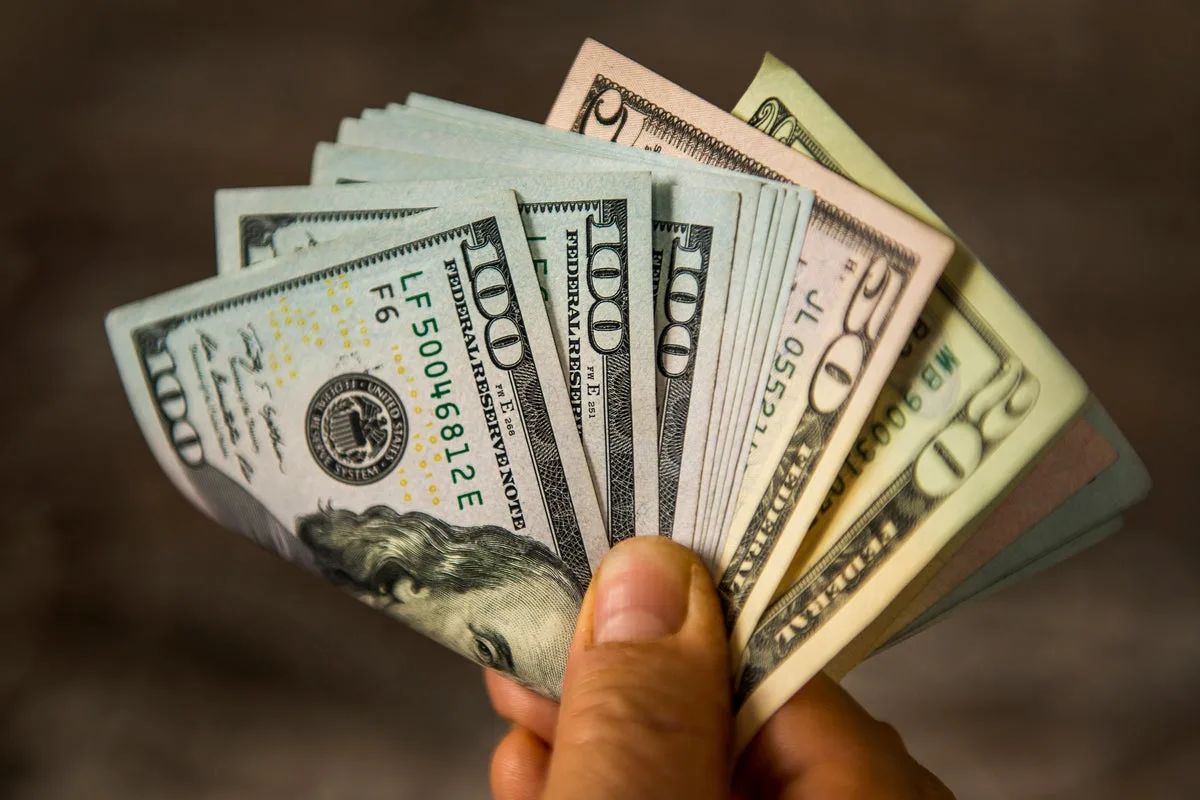
Earning a salary of around $100,000 now qualifies as lower-middle class in 12 US states, according to new research from fintech company MoneyLion. The analysis reveals that even six-figure incomes are considered lower-middle class in the highest-earning states.
Massachusetts tops the list, where an income of $116,476 is still lower-middle class. Other states include New Jersey, Maryland, Hawaii, California, New Hampshire, Washington, Colorado, Utah, Connecticut, Alaska, and Virginia. In Virginia, the lowest-income state in the analysis, people earning around $102,000 annually still qualify as lower-middle class.
The findings come amid widespread economic unease. A recent Reuters/Ipsos poll found only 21% of Americans approve of President Trump’s handling of inflation, contributing to an overall approval rating of 34%, with 64% disapproving—the lowest of his second term.
Separate Gallup research shows 55% of adults believe their financial situation is worsening, driven by inflation in energy, housing, healthcare, and other costs. Meanwhile, the average US petrol price hit nearly $4.23 per gallon on Wednesday, the highest since the war began.
The White House dismissed concerns, with assistant press secretary Olivia Wales stating that price spikes are “short-term, temporary disruptions” and that energy prices will fall once traffic in the Strait of Hormuz normalises.