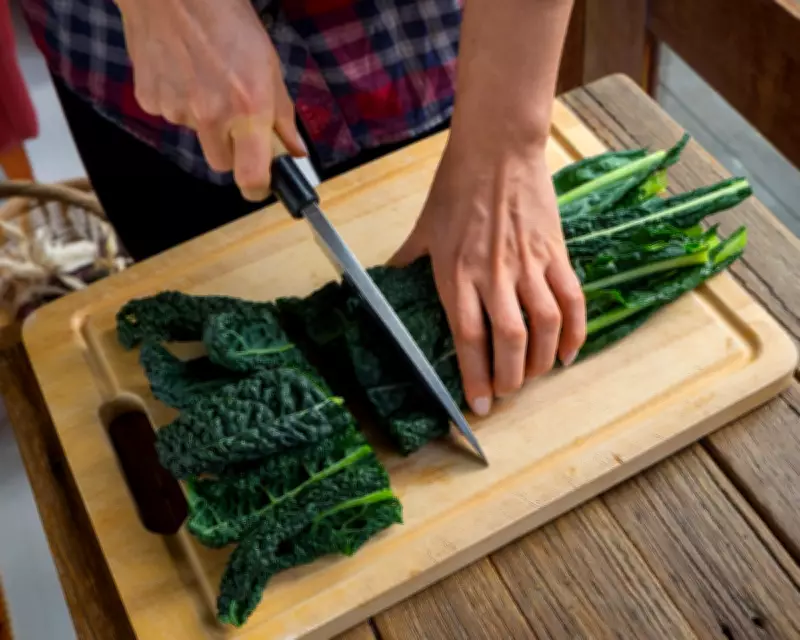
Wooden Chopping Boards Outperform Titanium, Say Culinary Experts
In a recent discussion on kitchen essentials, a panel of culinary professionals has emphatically rejected the trend of titanium chopping boards, championing traditional wooden alternatives instead. The debate was sparked by a query from a reader concerned about black mould on their wooden board and intrigued by influencer endorsements of titanium surfaces.
Why Titanium Boards Are a No-Go
Itamar Srulovich, co-author of the upcoming cookbook Honey & Co Daily, was unequivocal in his dismissal: "From the off, no! This is criminal!" He argued that existing chopping board technology is reliable and proven. Sam Clark, co-founder of London restaurants Moro and Morito, echoed this sentiment, stating that the idea of metal-on-metal chopping sends shivers down his spine.
Hugh Worsley, founder of knife brand Allday Goods, provided a technical perspective: "Every time you cut, the very fine edge of your knife, which is microscopically thin, meets the chopping surface. If that surface is too hard, it damages the edge, causing it to dull faster." He explained that titanium boards, lacking any give, will gradually degrade knife blades, offering only marginal cleanliness benefits that do not justify the damage.

The Superiority of Wooden Boards
For these experts, wooden chopping boards emerge as the clear winner, with some acknowledging Japanese compressed rubber boards as an honorable mention. Sam Clark highlighted that the natural density of wood absorbs blade impact, making it kinder to knives, while its grip keeps ingredients steady, reducing slip risks.
Hugh Worsley recommends end-grain hardwoods like maple, walnut, or oak for optimal performance. Itamar Srulovich prefers oak for daily tasks but uses a bamboo board for fish and meat due to its cost-effectiveness and manageable weight, which prevents movement without being overly heavy.
Antibacterial Benefits and Maintenance Tips
Wooden boards also boast remarkable antibacterial qualities. Sam Clark noted that wood can naturally inhibit harmful bacteria by absorbing moisture they need to survive. However, proper care is essential to maintain these benefits.
Ellie Smalls, a woodworker from Selwyn House, advises against dishwashers and soaking: "Instead, just wipe it clean and dry straight away." For deeper cleaning, she suggests scrubbing with coarse sea salt and half a lemon. Milli Taylor, of the When in Rome Substack, uses a mixture of fine salt, bicarbonate of soda, and vinegar for stubborn stains like turmeric.
Regular oiling is crucial to seal the surface and repel water. Ellie Smalls recommends oiling every three to four months initially, then every six months thereafter. Regarding black marks, experts clarify they are likely not mould but could result from tannin reactions or hot pans on wet boards. Sanding and re-oiling can easily restore the board.
Final Thoughts
This expert consensus reinforces the value of wooden chopping boards for both knife preservation and hygiene, debunking modern alternatives like titanium. With simple maintenance routines, these boards can last for years, making them a wise investment for any kitchen.