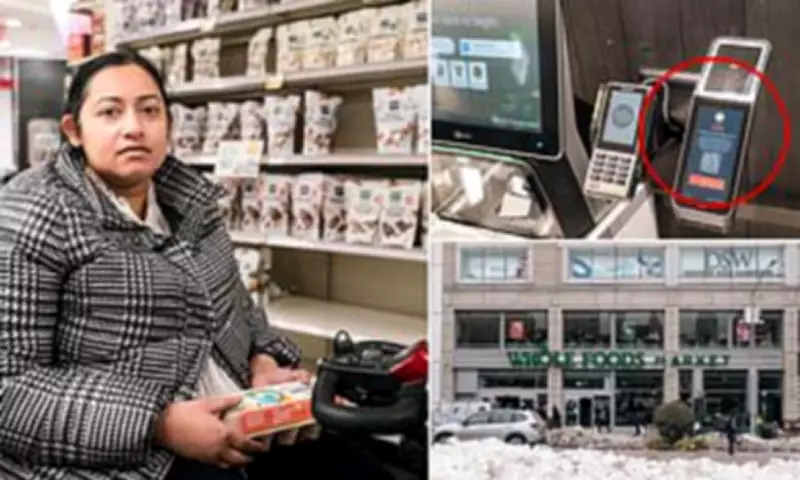
Whole Foods Abandons Biometric Palm Payment System Across All US Stores
Every Whole Foods Market location in the United States is dismantling its biometric payment technology that enabled customers to pay using their palm prints, following widespread customer rejection of the system. By June 3, all 500-plus Whole Foods grocery stores nationwide, which are owned by Amazon, will eliminate palm scanners from their checkout areas completely.
The Failed Amazon One Initiative
The payment method, known as Amazon One biometric authentication services, allowed shoppers to connect their Amazon accounts to their unique palm print. This technology enabled them to use their hand to purchase groceries or access additional services provided by the company. Despite Amazon reporting that it processes over one million biometric authentications monthly, a company spokesperson confirmed to the Daily Mail that insufficient customer adoption was the primary reason for terminating the program.
Customer backlash emerged immediately when the machines were first introduced, with Reddit users expressing significant anger. One user declared, "Not giving Big Brother my biometrics," highlighting widespread fears about the company collecting sensitive personal data.

Customer Interviews Reveal Deep Skepticism
The Daily Mail conducted interviews at a Whole Foods location in New York City's Union Square this week, asking customers about their experiences with the palm payment system. Among a dozen shoppers questioned, none reported ever using their palm to pay, and only a handful had witnessed others doing so. Several customers admitted they had never even heard of the program.
Shoppers consistently described the system as redundant, noting that most people carry smartphones with digital wallets that already facilitate quick tap payments. Almost all interviewed customers expressed discomfort with providing their biometric data to Amazon, a corporation valued at over $2 trillion.
Santiago Tieguec, a young man from Argentina who never used the biometric payment method, told the Daily Mail, "I think that pay with your palm is kind of scary because, like, what the heck. I don't want to give my biometric data to nobody. Nowadays we have our cards in our phones. So I think it's kind of unnecessary."
Gavin McGinn, another Whole Foods shopper, stated he had never paid with his palm and expressed distrust, saying, "I wouldn't trust them to have that kind of information about people, because who would they sell it to?" He added that the technology felt "science fiction-y" and redundant, noting he frequently mistook the palm scanners for standard card payment terminals.
Company Claims Versus Customer Beliefs
Despite Amazon's assurances that "Amazon One data is not shared with third parties" and that customer "data is not stored on any device" but instead encrypted and sent to secure AWS cloud storage, many customers remained unconvinced. Brayden Stephenson, a Brooklyn resident, tried scanning his palm once out of curiosity but abandoned the process when asked to provide additional information. He expressed skepticism about Amazon's data deletion promises, suggesting, "A lot of the time, 'delete' is just archive and sell off to somebody else."
An Amazon spokesperson emphasized that after June 3, "All customer data associated with Amazon One will be securely deleted," including names, phone numbers, emails, palm data, and linked credit card or ID information.
Analyst Perspective on the Failed Rollout
Neil Saunders, a retail analyst and managing director at GlobalData Retail, explained to the Daily Mail, "Amazon may have kept pay by palm around if consumer adoption was stronger and if more retailers were interested in purchasing the technology. However, it never really took off, and Amazon is becoming stricter about ensuring its ventures can generate a return."
Saunders noted that many consumers saw little point in the technology given the prevalence of contactless payments and phone-based payment systems. He added that privacy concerns about sharing biometric data further hindered adoption.

Mixed Reactions to Data Privacy Concerns
While many customers expressed strong privacy reservations, some displayed more relaxed attitudes. Ali Price, another shopper who never used palm payment, commented, "It's okay. Everyone has our data somewhere." She suggested that people likely avoided signing up because they didn't want to spend time entering information, especially when digital wallets already offered convenience.
Stephenson, despite his distrust of Amazon's data deletion claims, also noted, "Everybody already has your stuff anyway, so I don't really care about that as much." However, he emphasized there was insufficient incentive to share biometric data, stating, "I already have a card. I'm not getting anything out of that. There's not even a trade-off there."
Other customers interviewed included Priscilla Flete, who found the system "a bit invasive" after learning how it worked, and Nusrat Abdullah, who had never heard of palm payment and thought it didn't sound "safe" despite potential convenience.
The complete removal of Amazon One palm scanners from Whole Foods stores marks a significant retreat from biometric payment technology in mainstream retail, driven by consumer resistance and practical redundancy in an era of established digital payment alternatives.