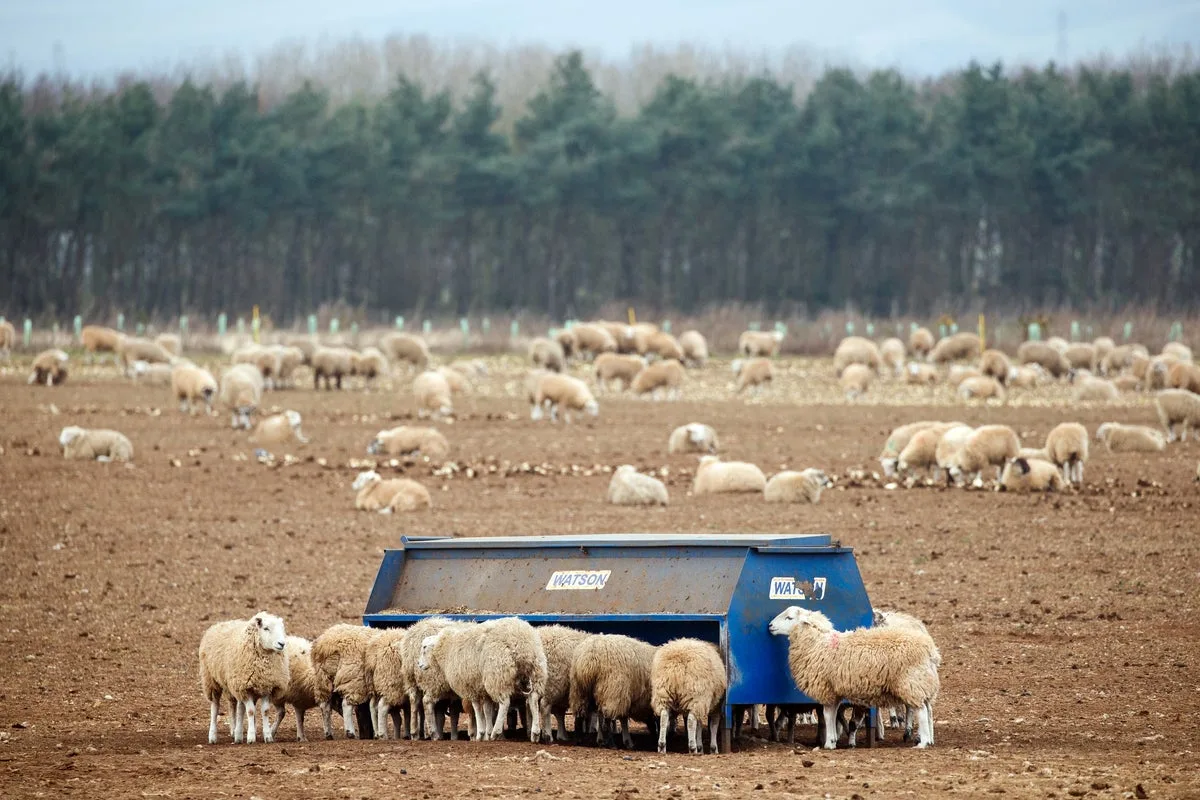
Strict New Dog Regulations to Take Effect in March 2026
Pet owners across the country face severe new penalties under updated legislation coming into force on 18 March 2026. The revised laws introduce unlimited fines and potential imprisonment of up to one year for dog owners whose animals breach livestock protection rules. Police will also receive significantly extended powers to seize dogs suspected of involvement in incidents.
Understanding the Legal Framework
Animal behaviourist Carolyn Menteith of Tails.com explains that while existing legislation has always been robust regarding dogs and livestock, dog attacks on sheep and other animals continue to increase annually. "The National Sheep Association surveyed their members last year and an extraordinary 87% reported experiencing dog attacks on their sheep within the previous twelve months," she revealed.
The original Dogs (Protection of Livestock) Act 1953 was designed to protect livestock from 'worrying' by dogs, but few owners understand what this term legally encompasses. The Act defines worrying as attacking livestock, chasing livestock in ways reasonably expected to cause injury or suffering, or simply being 'at large' in a field containing sheep without proper control.
Key Changes and Enhanced Penalties
The amendment has become necessary due to increasing dog ownership and more people taking their pets into rural areas. One of the most significant changes involves the removal of previous fine limitations. Whereas penalties in England and Wales were previously capped at £1,000, the new legislation introduces unlimited fines alongside potential twelve-month prison sentences.
Scotland already implemented similar changes in 2021, increasing maximum fines to £40,000 and including imprisonment provisions. The updated legislation also provides clearer definitions around 'attacking' and 'worrying' to recognise that causing animals stress can constitute sufficient harm.
Expanded Police Powers and Broader Protection
Police will gain stronger enforcement and investigative authority to identify dogs involved in livestock incidents, with power to detain animals considered potentially dangerous. The Act will now apply on public roads and paths crossing farmland, and protection extends to additional animals including llamas and alpacas under the expanded livestock definition.
Carolyn Menteith explains why dogs may chase livestock: "For dogs unfamiliar with farm animals, sheep, cows, chickens and llamas present fascinating novelty. These animals look different, smell different - and if a dog approaches them, sheep especially tend to run, creating irresistible temptation."
The Reality of Canine Behaviour and Owner Responsibility
According to National Sheep Association surveys following livestock incidents, 78% of owners assumed their dog wouldn't chase animals, with a quarter believing their dog had sufficient recall training. "Dogs are not robots," Menteith emphasises. "No dog has 100% recall reliability. They are living, feeling, sentient creatures who make their own decisions."
The behaviourist stresses that responsibility for protecting livestock rests entirely with owners, not their dogs. This means keeping dogs on leads in any area where livestock might be encountered, regardless of recall training quality. Owners protect not only livestock but also their own pets, as farmers may legally shoot dogs worrying animals as a last resort.
Practical Guidance for Dog Owners
The legislation applies beyond walking situations. Owners must ensure they know their dog's whereabouts at all times and never trust fences completely, as many dogs involved in livestock incidents are escapees. "Owners should never 'unexpectedly' encounter livestock," Menteith advises. "If walking in countryside, farmland, common land, footpaths across private land, moorland, or unfamiliar areas, assume livestock could be present and keep your dog leashed."
She concludes with essential guidance: "If you unexpectedly encounter sheep with your dog off-lead, you have already broken the law as your dog is 'at large.' Walking in countryside with your dog provides wonderful bonding opportunities, but carries significant responsibility. When in doubt - even slight doubt - put your dog on a lead."