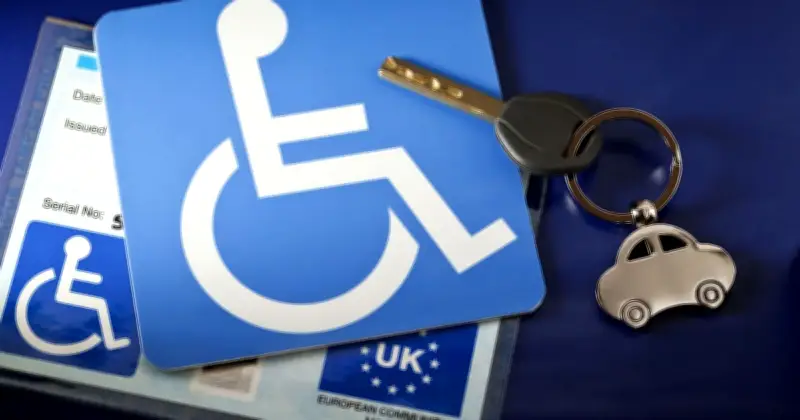
UK Blue Badge holders are being warned about a major scam that could lead to identity theft and financial loss. Scammers are posing as council officials or parking services, contacting badge holders to demand personal information under the pretense of renewing or verifying their badge.
How the Scam Works
According to Peter Nguyen, a privacy expert from Protect My Data, the scam typically involves unsolicited phone calls, text messages, or emails. These messages claim that the recipient's Blue Badge is about to expire, their application has been flagged, or their account will be suspended unless they provide details such as bank account numbers, National Insurance numbers, or security codes.
Nguyen explained: “Scammers love information that gives them a believable opening. If they know someone is a Blue Badge holder, they can pretend to be from the council, parking services, a renewal team, a disability support service or a fraud-checking department.”
Vulnerable People at Greatest Risk
The scam is particularly concerning for vulnerable individuals who rely heavily on their Blue Badge for independence. Nguyen emphasized: “For many people, a Blue Badge is not a convenience. It is essential for independence, medical appointments, shopping, work and caring responsibilities. Scammers know that fear can make people act quickly.”
He warned that the emotional pressure can cause victims to hand over sensitive information without verifying the caller's identity. The scam is designed to exploit the urgency and anxiety surrounding potential loss of the badge.
Red Flags and Warning Signs
Nguyen advised Blue Badge holders to be suspicious of any unexpected requests for personal or financial information. Legitimate councils will not call out of the blue to demand payment or verification details. Key warning signs include demands for immediate payment, threats of suspension, and requests for passwords or PINs.
“If someone demands you pay immediately to keep your badge, stop. That pressure is a major warning sign,” Nguyen said.
Protecting Yourself and Others
Nguyen urged badge holders and their carers to verify any suspicious messages through official channels. “If someone you care for receives an unexpected Blue Badge message, help them check it through official channels before they respond,” he advised.
He also recommended never sharing bank details, card numbers, passwords, National Insurance numbers, or copies of documents with unsolicited callers. Anyone who suspects they have been targeted should contact their local council directly and report the incident to Action Fraud.