Ube Craze Hits UK: Purple Yam Drives Social Media Food Trend
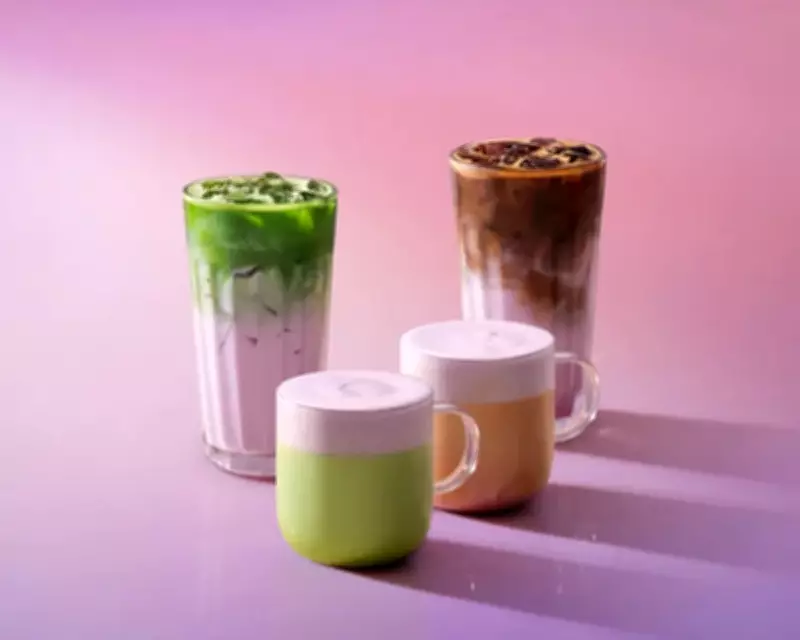
Bright purple coffees and cocktails, made with a root vegetable called ube, have taken the UK high street by storm. The yam's striking hue has caused a sensation on social media, with many dubbing it the 'new matcha'. Ube offers a nutty, creamy, sweet taste, reminiscent of a blend between coconut and vanilla, captivating consumers and chefs alike.
From East Asia to UK High Streets
Ube has long been a staple in East Asian cuisine, but its recent surge in popularity has seen it cross continents. After gaining traction in the US last year and an earlier boom in Australia, the purple drinks have now 'crossed the pond'. Major coffee chains Starbucks and Costa both launched ube drinks in their UK stores last month, signaling its mainstream appeal.
A Starbucks spokesperson highlighted the ingredient's growing cultural presence, stating: 'With its stunning technicolour, ube is gaining recognition as chefs, bakeries and cafes around the world have re-imagined the ingredient in culinary creations, particularly in drinks and desserts.'

Social Media Fuels the Frenzy
The visual appeal of ube has made it a hit on platforms like TikTok, where its vivid purple colour is highly photogenic. Regina Maisevičiūtė-Haydon, food and drink associate principal at Mintel, noted: 'In the UK, social media can directly trigger people to try things: 49% say they have bought a drink after seeing it featured in a social media post.' She added that ube is seen as an 'approachable yet exciting' innovation, blending familiar flavours like vanilla to attract a broader audience.
Bettina Campolucci Bordi, a chef and recipe creator, observed that ube has become a craze similar to matcha a few years ago. She said: 'It's become popular from social media – it's the colour, it looks good on videos, it is all over TikTok. It's something new because we don't usually see purple drinks or desserts.'
Cultural Roots and Modern Twists
For those with East Asian heritage, ube evokes nostalgia. Noa Wang, owner of Bar Lotus in Dalston, east London, has been incorporating ube into cocktails since the bar opened in 2024. Her creations, such as a white chocolate dessert-style drink with ube-infused double cream, have become bestsellers. Wang explained: 'Ube is a very good ingredient that east Asian people enjoy a lot. We have lots of desserts using that in our childhood memories. The colour is beautiful but it also gives a special taste.'
However, the trend also appeals to newcomers seeking novel culinary experiences. This dual appeal has driven demand, with farmers in the Philippines, a key source of ube, struggling to keep up.
Future Prospects and Applications
Beyond drinks, ube is being used in various desserts and dishes. Bordi uses it in tiramisu and pancakes, noting its appeal for children due to its vibrant colour. As the trend continues to grow, experts predict ube could become a lasting fixture in the UK food scene, much like other imported flavours before it.
The combination of social media virality, cultural significance, and versatile taste profiles positions ube as a standout trend in 2024, reshaping how Brits enjoy their beverages and sweets.