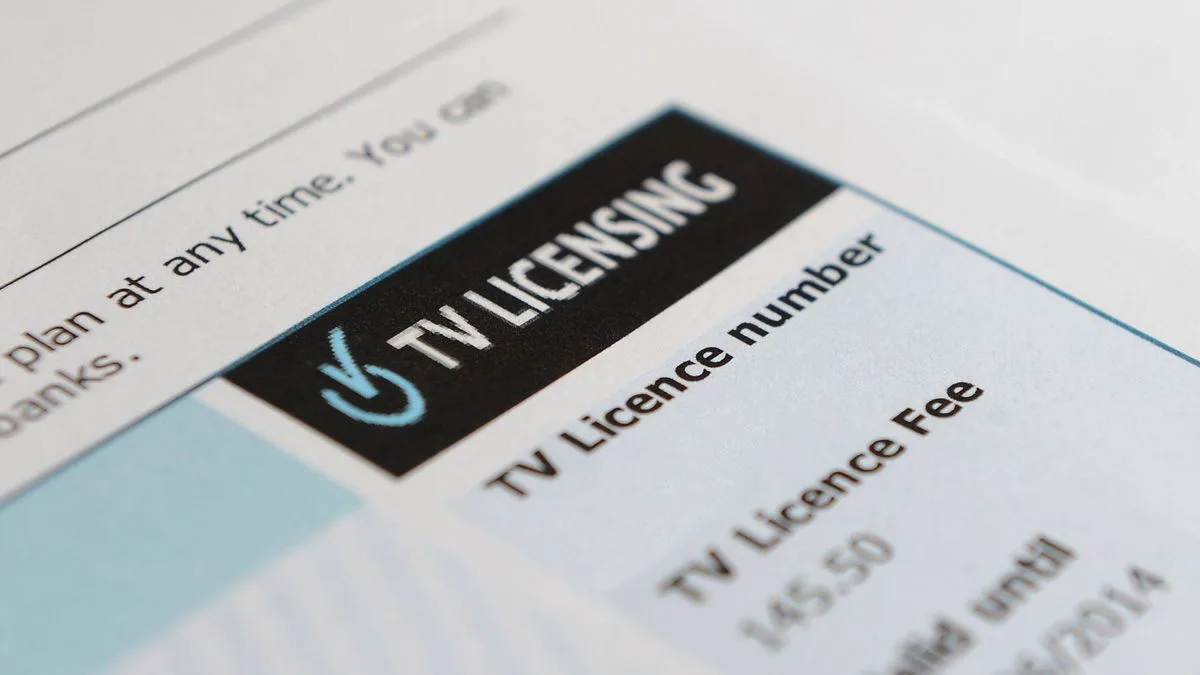
The annual cost of a TV Licence will rise to £180 from 1 April 2026, an increase of £5.50 from the current £174.50. The fee, which funds BBC programmes and services, is rising in line with inflation under a 2022 agreement that ties the increase to the consumer price index (CPI) until the end of the BBC Charter period.
Anyone who watches or records live TV on any channel or uses BBC iPlayer must have a TV Licence. To help households manage the cost, the BBC continues to offer the Simple Payment Plan, which allows payments to be spread in smaller instalments.
Millions of people in the UK are eligible for a free TV Licence. Those aged 75 or over who receive Pension Credit – or live with a partner who does – can apply. The licence covers everyone at the same address. Applications can be made from age 74 if already receiving Pension Credit, but the free licence only begins from the month after the 75th birthday.
People living in sheltered accommodation or residential care can obtain a TV Licence for £7.50 if they are retired and over 60, or disabled. The housing manager must verify eligibility and submit the application. A 50% discount is available for anyone who is registered blind or lives with a blind person, provided the licence is in that person's name.
Applications for a free or discounted licence can be made online at www.tvlicensing.co.uk or by phone on 0300 790 6071. Most people spread the cost by Direct Debit, or they can make a one-off payment. Renewal reminders are sent by post, email or text, and detection vans continue to monitor unauthorised use. Failure to have a licence when required can result in a fine of up to £1,000 plus costs.