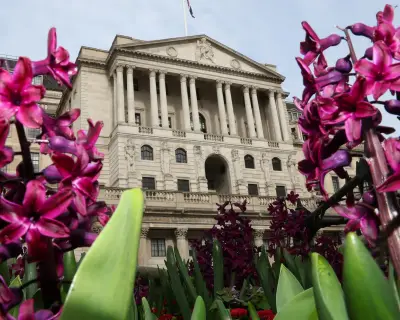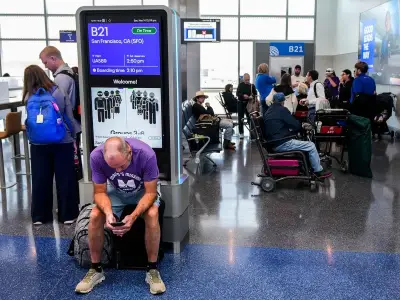
The BBC has announced it is exploring reforms to the licence fee after a further 300,000 households stopped paying, according to its latest annual report. The number of licences in force fell to 23.8 million from 24.1 million in 2023-24, resulting in a revenue loss of approximately £50 million. The broadcaster faces mounting competition from streaming services and YouTube, which have fragmented audiences across multiple platforms.
BBC Chair Samir Shah described the current media landscape as 'a moment of real jeopardy for the sector' and emphasised the need to find 'the best future funding model for the BBC'. The government and BBC executives have begun discussions on the future of the corporation and its funding as part of the charter renewal process. However, senior BBC figures have ruled out moving to a subscription or advertising-based model used by competitors.
Despite the drop in licence fee payers, income rose slightly to £3.8 billion in 2024-25, driven by a 6.7% inflationary increase that brought the annual fee to £169.50. The BBC stated that the current collection method 'remains fair, effective, and good value for money' but acknowledged the need to research potential reforms to secure a long-term funding model.
The annual report also revealed that Gary Lineker remained the highest-paid BBC star last year with earnings of around £1.3 million, before leaving the corporation in May. Zoe Ball was the second highest-paid, earning just over £500,000. Following scandals involving former presenter Huw Edwards, Shah noted that while most staff treat each other with respect, 'there are still places where powerful individuals can abuse that power'.
Director General Tim Davie highlighted ongoing reforms, including the use of generative AI to add subtitles and translate content. The BBC's commercial arm achieved record revenue of £2.16 billion, boosted by BritBox and the licensing of the Bluey brand. Among under-16s, the BBC remains second only to YouTube in UK media usage, and it is level with Netflix among 16- to 34-year-olds.