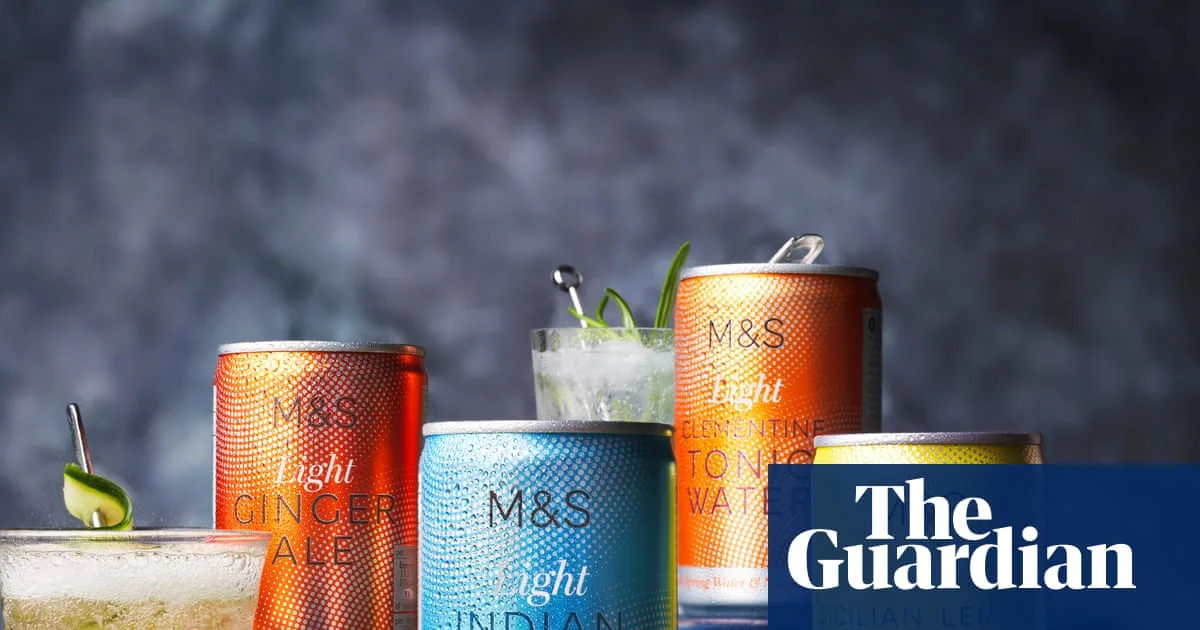
The Evolution of Tonic Water: From Medicinal Brew to Modern Delight
Tonic water, often relegated to a supporting role in a gin and tonic, is stepping into the spotlight as a sophisticated beverage in its own right. Originally developed as a malaria treatment during the British Empire, this fizzy drink has transformed into a versatile and flavourful option for those seeking something more refined than lemonade or plain sparkling water.
A Historical Journey: Quinine and Colonial Roots
In the 17th century, Jesuit missionaries introduced quinine to Europe, a bitter compound extracted from the bark of American cinchona trees. Indigenous communities had long used it to combat fevers, and by the 1700s, it became a staple antimalarial in tropical colonies. However, quinine's intense bitterness posed a challenge. To make it palatable, it was mixed with water and sugar, creating a daily self-medication drink for those stationed in tropical regions.
By the Victorian era, this medicinal concoction evolved. Tonic water gained carbonation and was frequently paired with gin, birthing the iconic drink synonymous with the British Raj. This historical backdrop underscores tonic water's rich heritage, far beyond its modern associations.
The Modern Tonic Revolution: Bitter Tastes and Solo Consumption
Today, tonic water is experiencing a resurgence, driven by a growing appreciation for bitter flavours. The Waitrose Food and Drink Report 2025/2026 highlights tonic as "the new gin," noting its expansion into a wide array of flavour profiles, each with distinct notes akin to premium gins. Importantly, it is increasingly enjoyed neat, without any gin at all.
For many, tonic water offers a grown-up alternative to sugary soft drinks. Its bitterness provides a complex taste profile, making it more intriguing than fizzy water. The rise of single-serve cans, popularised by brands like Fever-Tree, enhances freshness and fizz, contributing to its appeal as a standalone thirst-quencher. Some enthusiasts even pair it with Campari, vermouth, dry sherry, or bitters for added depth.
Navigating Tonic Varieties: Light, Flavoured, and Beyond
Preferences vary widely among tonic drinkers. Lighter tonics with reduced sugar content cater to those who savour bitterness, though marketing terms like "slimline" or "skinny" can be contentious, often perceived as patronising. On the other end of the spectrum, sweet and flavoured options abound, such as grapefruit and rosemary from London Essence, pink citrus by Artisan, and rhubarb and raspberry from Fever-Tree.
San Pellegrino's Oakwood Tonic stands out for its complexity, featuring hints of oak bark alongside quinine. While marketed as a gin enhancer, it has garnered a following for solo consumption, exemplifying the drink's versatility.
Top Tonic Picks for Every Palate
- Schweppes Indian Tonic Water: Priced at £6.35 for 12 x 150ml at Sainsbury's, this classic remains a staple for traditional gin and tonics.
- Double Dutch Skinny Tonic Water: Available for £3.90 for 6 x 150ml at Ocado, it offers an excellent light option, whether enjoyed neat or mixed.
- Fever-Tree Mediterranean Tonic Water: At £5.35 for 8 x 150ml from Waitrose, it provides a superior mixer with notes of lemon thyme and rosemary, perfect for balmy evenings.
- San Pellegrino Oakwood Tonic: Costing £3.90 for 4 x 200ml at Ocado, this tonic features oak bark hints and is praised for both mixing and solo sipping.
As tonic water continues to evolve, it cements its place not just as a mixer, but as a chic and sophisticated beverage choice for modern consumers.