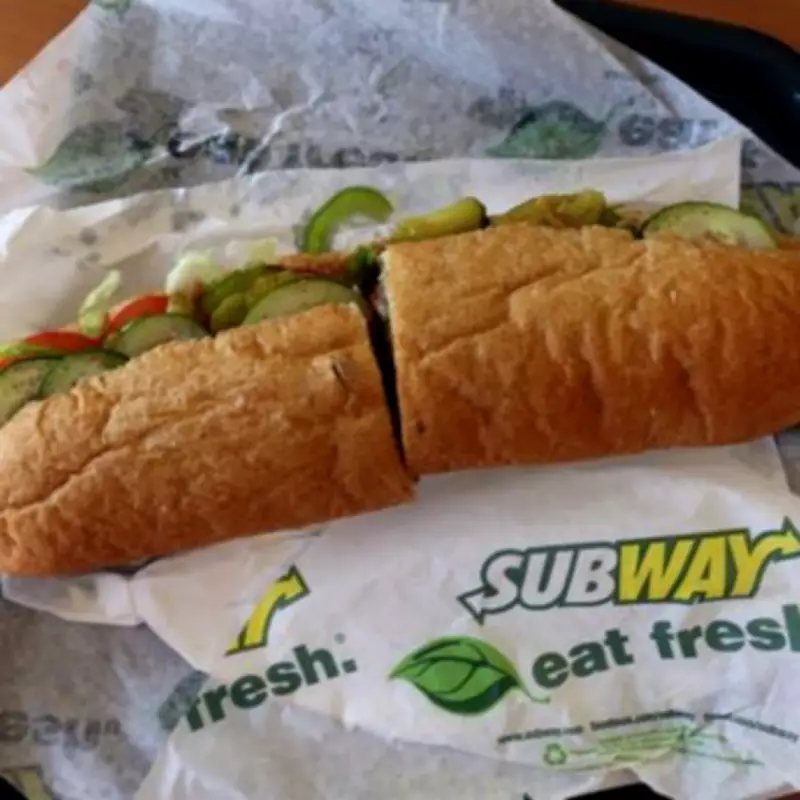
Subway enthusiasts across the UK have been left utterly astonished and questioning their loyalty after a viral social media expose revealed the true preparation method behind the chain's iconic baguettes. The revelation, which has sparked widespread debate online, shows that the bread is not made from scratch daily as many assumed, but instead arrives frozen and is simply baked in-store.
The Viral TikTok That Changed Everything
A TikTok video posted by the account @soobway_2.0 has sent shockwaves through the Subway fan community. The clip, which has amassed significant views, depicts a Subway employee unboxing frozen baguettes and placing them into a specialised mould ready for baking. The caption accompanying the video provocatively asks: "Is that how you thought they were made?" This simple question has ignited a firestorm of reactions from customers who believed the bread was freshly prepared each morning.
Customer Reactions: From Disbelief to Disappointment
The response on social media has been both humorous and critical. One user commented incredulously, "Wait I thought that was hotdogs," highlighting the initial confusion. Another expressed disappointment, stating, "So it's not made fresh!" while a third lamented the broader trend, asking, "How come there is nothing actually freshly prepared in restaurants any longer?" The most dramatic reaction came from a user who declared, "My life is a lie," capturing the sense of betrayal felt by some loyal patrons.

Further comments added to the chorus of surprise. One person joked, "Did people actually think they were kneading the dough in the back?!?" suggesting a degree of naivety among customers. However, a more pointed critique emerged from another user who said, "So it comes frozen and they just cook it... Suddenly Subway is no longer worth anything to me. To think they even ask for tips now." This sentiment reflects a growing consumer expectation for transparency and authenticity in food preparation.
Subway's Response and Broader Context
In response to the controversy, Subway issued a statement reaffirming its commitment to quality. "Subway serves freshly made sandwiches at a great value to millions of guests around the world every day," the statement read. It also emphasised that restaurants are operated by dedicated franchisees focused on delivering a high-quality experience. Interestingly, another Subway worker chimed in online, claiming that this specific frozen preparation technique is no longer used at their store, suggesting potential variations in practices across locations.
This incident occurs against the backdrop of Subway's ongoing efforts to refresh its brand. In 2021, the company launched the "Eat Fresh Refresh" initiative, aiming to improve all aspects of the business from menu updates to digital experiences. More recently, Subway has expanded its UK menu, permanently adding jacket potatoes after a successful trial. According to a survey of 2,000 adults, Brits will consume over 8,000 baked potatoes in their lifetime, with cheese and beans being the most popular topping at 56 percent.
Cathy Goodwin, interim director of culinary and innovation for Subway EMEA, commented on the potato addition, saying, "The nation's love of jacket potatoes is unparalleled. The enthusiasm we've seen on social media and the strong demand from our guests throughout the trial made it clear that Spudway deserved a permanent place on our menu." This move highlights Subway's adaptability to local tastes, even as the baguette preparation method raises questions about its "fresh" branding.
The Bigger Picture: Fast Food Realities
While some Subway fans defended the process as common across fast-food chains, the viral video has undoubtedly prompted a broader conversation about food preparation standards in the quick-service industry. Customers are increasingly scrutinising the origins and methods behind their meals, with transparency becoming a key factor in brand loyalty. The Subway baguette revelation serves as a reminder that perceptions of freshness can sometimes diverge from operational realities, leaving consumers to reconcile their expectations with the practicalities of large-scale food service.