Older state pensioners in the UK can cut their TV Licence bill down to £0 in just 16 minutes if they meet certain criteria. The annual fee for a TV Licence currently costs £180 and is due to rise again in April next year. The UK Government agreed that the TV Licence fee would increase in line with inflation for the remaining four years of the Charter period, which runs until the end of 2027, so households face yet another hike to bills in 2027.
Who Qualifies for a Free TV Licence?
You need a TV Licence to watch or record programmes on a TV, computer, or other device on any channel or service as they are broadcast – including on-demand BBC programmes on BBC iPlayer, as well as live events on streaming services. It is possible to get a TV Licence at a discounted rate, but some older pensioners can avoid the £180 fee altogether and effectively cut costs down to £0 simply by claiming one Department for Work and Pensions (DWP) benefit: Pension Credit.
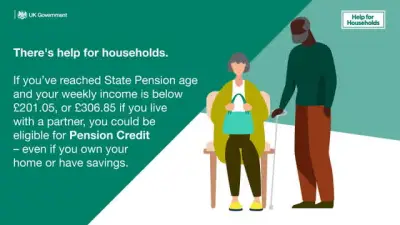
Pension Credit provides extra money to people of State Pension age and on a low income and is worth £4,300 per year on average, according to the DWP. Under the 2026/27 rates, the benefit tops up your weekly income to £238 if you're single, or your joint weekly income to £363.25 if you have a partner, but it also unlocks access to other financial support, too – including a free TV Licence if you're aged 75 or over.
How to Apply for Pension Credit
According to the DWP, it only takes 16 minutes on average to apply for Pension Credit and by doing so, you can unlock thousands of pounds worth of extra financial support. The DWP said last year: "The online claim form – updated by the Work and Pensions Secretary after listening to the views of pensioners– means it now takes just 16 minutes on average to apply for Pension Credit and be eligible for up to £4,300, with 90 percent of new customers applying using the simple online form, or over the phone."
If you already get Pension Credit, then you can apply for a free TV Licence when you’re 74, but you’ll need to continue paying for your licence until the end of the month before your 75th birthday. After this, you'll be covered by your free licence.
Other Benefits of Pension Credit
Commenting on the perks of claiming the DWP benefit, Sarah Pennells, consumer finance specialist at Royal London, said: “Pension Credit is a valuable benefit because it is a ‘gateway’ benefit. That means, if you’re able to claim it, you may also be able to get help with housing costs (through Council Tax discount and Housing Benefit or Support for Mortgage Interest).
“You’re also eligible for a free TV licence if you’re aged 75 or over and you may be able to get help with NHS dental treatment, prescriptions and transport costs. If you’re entitled to these benefits, the state help you get could be very valuable and that could make a real difference to your finances.
Other Ways to Reduce or Avoid the TV Licence Fee
For those who don’t meet the eligibility criteria for Pension Credit, there are other ways to reduce your TV Licence bill, or avoid the fee entirely. If you no longer watch live on any channel, TV service or streaming service, or use BBC iPlayer, it may be worth cancelling your TV Licence and in some cases, you could be eligible for a refund if, before your licence expires, you won’t be doing any of the following: watching TV on any channel, like BBC, ITV, Channel 4, U&Dave and international channels; watching TV on pay TV services, like Sky, Virgin Media and EE TV; watching live TV on streaming services, like YouTube, Netflix, and Amazon Prime Video; using BBC iPlayer. This includes recording and downloading programmes on any device.
But if you still need your TV Licence there are other ways to reduce the cost. If you live in a residential care home, supported housing or sheltered accommodation, then you may be entitled to a reduced fee TV Licence, and if you're blind (severely sight impaired) and can provide the appropriate evidence, you can apply for a 50% discount on your TV Licence. But if neither of these apply then you’ll have to pay for a TV Licence at the full rate.
Sharing and Avoiding the Licence
If you don’t meet the eligibility criteria for Pension Credit or qualify for a reduced fee TV Licence, then there are still a few options to save money. TV licences are per household, not per person, so if you live in a house with several people, you don’t all need to have one and could all chip in to share the cost of one licence. Instead, you can share a TV Licence among the whole household if you watch TV in a single shared area, or have a joint tenancy agreement. But if you have separate tenancy agreements and watch TV in your own room, then you will need to pay for your own.
You also don’t need a TV Licence to watch streaming services, such as Netflix and Disney Plus, on-demand TV through services like All 4 and Amazon Prime Video, videos on websites such as YouTube, or DVDs and Blu-rays. So if you’re happy to just stick to watching any of these, and not watch or record any live TV or BBC iPlayer, you can save yourself £180 per year. But if you do watch or record live TV without a TV Licence, then you can be issued a fine of up to £1,000.