The Rise of Slow Vacuuming: A Mindful Cleaning Revolution
In recent years, a new trend has emerged in the world of home maintenance, capturing the attention of cleaning enthusiasts and wellness advocates alike. Known as "slow vacuuming," this method challenges the fast-paced, often frantic approach to household chores, promoting a more deliberate and mindful technique. But what exactly is slow vacuuming, and does it truly deliver on its promises of superior cleanliness and reduced stress?
What Is Slow Vacuuming?
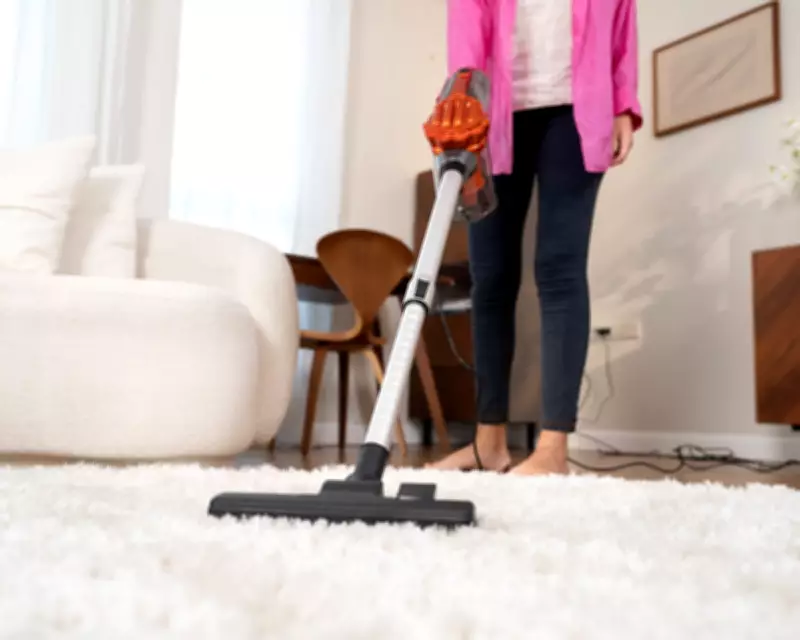
Slow vacuuming involves moving the vacuum cleaner at a significantly reduced pace compared to traditional methods. Instead of rushing through rooms to finish the task quickly, practitioners take their time, allowing the vacuum to linger over each area for several seconds. This approach is inspired by broader mindfulness movements, encouraging individuals to focus on the present moment and engage fully with the activity at hand.
Proponents argue that slow vacuuming not only improves cleaning efficacy by giving the vacuum more time to suction up dirt and debris but also transforms a mundane chore into a meditative practice. By slowing down, users can reduce anxiety and create a sense of calm in their daily routines.

Does Slow Vacuuming Work?
The effectiveness of slow vacuuming depends on various factors, including the type of vacuum cleaner, flooring surfaces, and individual cleaning goals. Here are some key points to consider:
- Enhanced Suction: By moving slowly, the vacuum has more time to pick up embedded dirt, pet hair, and allergens, potentially leading to a deeper clean, especially on carpets and rugs.
- Mindfulness Benefits: Many users report feeling less stressed and more satisfied after slow vacuuming, as it encourages a break from multitasking and digital distractions.
- Time Investment: This method requires more time, which may not be practical for everyone, particularly those with busy schedules or large homes.
- Equipment Considerations: High-quality vacuums with strong suction power may yield better results with slow vacuuming, while older models might not show significant improvements.
Overall, while slow vacuuming may not be a magic solution for all cleaning woes, it offers a unique blend of practical and psychological benefits that appeal to those seeking a more intentional lifestyle.
How to Incorporate Slow Vacuuming into Your Routine
If you're interested in trying slow vacuuming, start by setting aside dedicated time for the task without distractions. Focus on your breathing and the sound of the vacuum, moving methodically through each room. Experiment with different speeds to find what works best for your home and well-being.
As this trend gains popularity, it highlights a growing desire to infuse mindfulness into everyday activities, proving that even the simplest chores can become opportunities for self-care and improved living environments.