A leading jewellery expert is urging Britons to examine the small details on their jewellery that could reveal pieces worth thousands of pounds, similar to the surprising valuations seen on television's Antiques Roadshow. Jeremy Hinds, jewellery expert at F. Hinds, has outlined six critical signs that are frequently overlooked but can dramatically increase the perceived value of your items.
Hidden Details That Tell the Real Story
Jeremy Hinds explains that people often assume value is obvious—like a heavy chain or large diamond—but in reality, hidden details and tiny hallmarks often reveal the true worth. He states, "Sometimes simple wedding bands turn out to be far more valuable than their owners ever imagined. But with that, sentimental value can't be measured and will always outweigh the price for many people. It's easy to either overestimate or, especially, underestimate what you own."
He advises that if you're unsure, have your jewellery assessed by a professional. You might not uncover a television-worthy surprise, but you could discover your jewellery is worth significantly more than you think. Ultimately, whether it's a wedding band worn daily or a forgotten heirloom, the true value lies in both its story and its substance.

Jeremy Hinds' Six Key Tips to Look Out For
1. The Official Hallmark
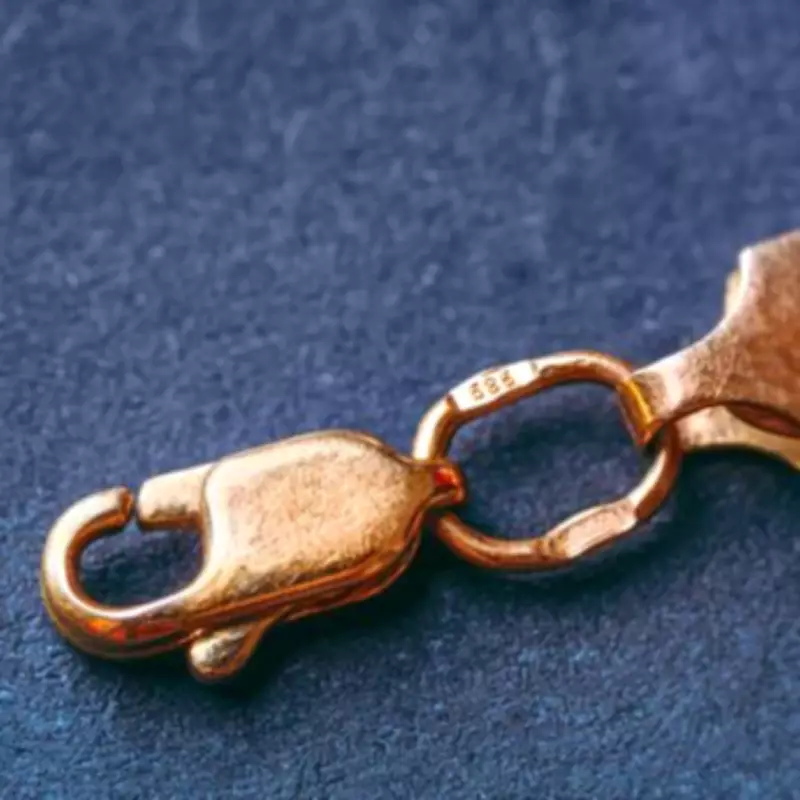
In the UK, any piece made from precious metal above a certain weight must be hallmarked under the Hallmarking Act 1973. This independent testing is a legal requirement, with marks applied by one of four official assay offices: the Leopard's Head (London), Anchor (Birmingham), Rose (Sheffield), and Castle (Edinburgh). Offices in cities like Chester and Glasgow closed in the 1960s.
The hallmark confirms metal purity, with numbers like 375, 585, 750, or 916 for gold (equivalent to 9, 14, 18, or 22 carats on older pieces), 925 for sterling silver, or 950 for platinum. Higher purity usually means higher intrinsic value. However, be cautious: some antique silver-plated items or overseas purchases may have misleading stamps. A reputable jeweller can help verify authenticity.
2. The Date Letter That Reveals Its Age
A small letter stamped alongside the hallmark indicates the exact year the piece was officially tested. While now optional, most older pieces include this. Jewellery from certain periods, such as early 20th-century designs, can carry added appeal due to era and style. Age doesn't guarantee value but can significantly enhance it, especially for engagement rings where vintage cuts and settings are increasingly sought after.
3. The Maker's Mark
Often found next to the hallmark, a set of initials identifies the jeweller or company that created or submitted the piece. If crafted by a renowned jeweller like Cartier or Tiffany & Co., the name alone can add substantial value. Branded jewellery can sell for several times the material cost due to heritage, craftsmanship, and design. Even lesser-known names might be valuable to specialists, particularly for older engagement rings or bespoke commissions.
4. Gemstone Quality, Size, and Colour
For diamonds and coloured stones, bigger doesn't always mean better. Value is influenced by cut, clarity, colour, and carat weight. Modest-sized diamonds with exceptional cut and clarity can outperform larger stones. Rare coloured diamonds, such as natural blue or pink, are exceptionally valuable, while vivid yellow diamonds can also command high prices. Coloured gemstones like emeralds, sapphires, and rubies vary hugely in value based on origin, saturation, and condition.
5. Craftsmanship and Design Details
Hand-finished details like intricate engraving, Millegrain edging, unusual settings, or signs of hand craftsmanship can elevate a piece's value. These elements require skill and time, making the jewellery more desirable on the resale or collectors' market due to unique design features.

6. Gold's Rising Value and Insurance Considerations
Gold prices have risen significantly over the past two decades, with other precious metals following suit. Many people who insured their jewellery a decade ago may now be underinsured. If your policy is based on an old valuation, it might not reflect today's replacement cost, potentially leaving you thousands of pounds short in a claim. Jeremy recommends having high-value pieces professionally revalued every few years and specifying valuable items individually on home insurance policies, as advised by the Association of British Insurers.
How Much Is Your Jewellery Worth?
Gemstones: A single gemstone piece could be worth several thousand pounds, with rubies, emeralds, and sapphines typically valued between £800 and £10,000, depending on quality. Rarer stones can be worth even more. Semi-precious stones like aquamarine, tourmaline, and topaz may range from £300 to £3,000.
Famous Brand Names: Designer jewellery from brands such as Cartier, Tiffany & Co., or Van Cleef & Arpels often holds or grows in value over time. Even everyday pieces can be worth thousands due to name, craftsmanship, and demand, with resale values typically between £1,500 and £30,000 or more.
Diamonds: Diamonds are often the most valuable items people own without realising it. A diamond ring or earrings bought years ago or inherited could be worth several times more than expected, particularly with strong clarity, colour, or an older, desirable cut. Values generally range from £800 to over £50,000, depending on certification, setting, cut, colour, clarity, and carat.