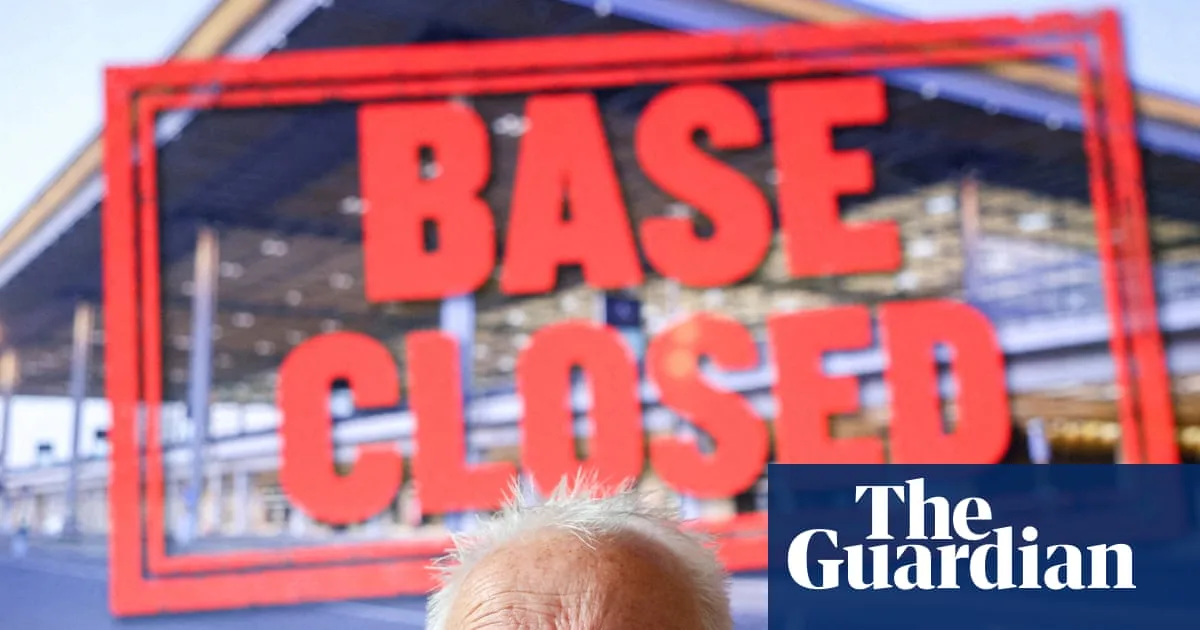
Ryanair has announced it will close its Berlin operating base and halve its winter schedule to the German capital, blaming soaring aviation taxes in the country. The Irish budget carrier said it will relocate seven aircraft to other centres, reducing its Berlin passenger numbers from 4.5 million to 2.2 million a year. Flights in and out of Berlin will be served from October by planes based at other airports, and staff at the facility are being offered transfers to other European bases.
Eddie Wilson, chief executive of Ryanair DAC, said: 'German aviation is broken. The government admits that it is uncompetitive, yet there is no strategy to cut aviation taxes or high airport fees – despite Ryanair warning that Germany would lose traffic, connectivity, jobs and trade.' He noted that since 2019 Ryanair has closed bases in Frankfurt, Düsseldorf, and Stuttgart, and stopped all flights to Dresden, Leipzig, and Dortmund, resulting in the loss of 13 aircraft from those bases.
The German trade union Verdi criticised Ryanair’s plans as a 'purely profit-oriented corporate strategy'. Dennis Dacke, head of Verdi’s federal aviation division, said the airline’s employees had for too long been treated like 'disposable commodities' while the company based its location decisions on short-term profit interests.
The announcement comes amid turmoil in the airline industry as it wrestles with surging costs following the conflict in the Gulf. Jet fuel prices have more than doubled since late February. Ryanair’s boss, Michael O’Leary, has warned of having to cancel up to 10% of late summer flights if shipping does not return to normal quickly. While many European airlines have hedged their fuel, American Airlines said rising fuel costs would cost it an additional $4bn this year and eradicate forecast profits.
Environmentalists and rail enthusiasts noted the opportunity the Ryanair decision might present for the rail industry. Jon Worth, a European railway policy analyst, said the demise of Ryanair at Berlin airport should mean an opportunity for more passengers to take trains to Berlin. Berlin has direct services to several European capitals, and Worth noted that while trains are often more expensive and reliability needs work, the railway industry should be ready to seize the opportunity.