
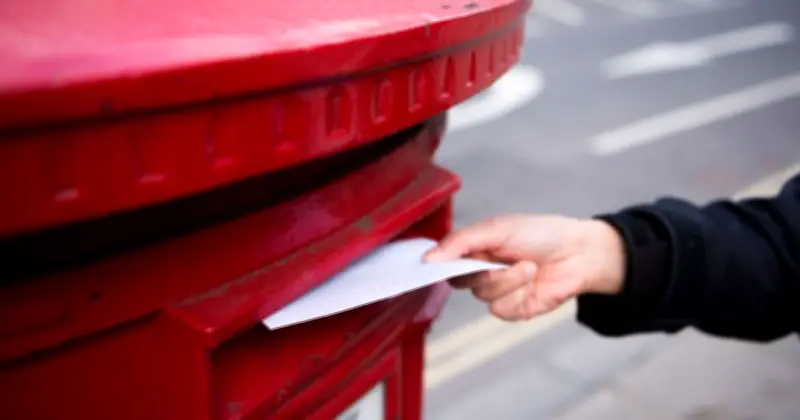
Royal Mail has issued guidance warning customers against putting coins in envelopes, as automated sorting machines can damage the packaging and increase the likelihood of the contents being lost.
Why coins are a problem
The warning relates to how mail is processed before it reaches a letterbox. Sorting machines handle large volumes of letters at speed, and coins can cause damage to envelopes as they travel through the system.
Anyone who needs to send money should check the options available before posting it. Royal Mail advises that cash should be packed securely, should not be visible from outside and should not be mentioned on the outer packaging.
Recommended service for valuables
The Post Office recommends Royal Mail Special Delivery Guaranteed for valuables, offering tracking and a signature when the item is delivered. It also provides compensation for eligible valuables if an item is lost or damaged, subject to the service’s conditions and requirements.
This is particularly worth considering when sending a gift that would be difficult to replace if it went missing. A little extra care with packaging and the service selected can help reduce the risk of problems during transit.
Packaging and restrictions
Royal Mail’s guidance does not mean every item containing money is automatically banned from the post, but it does make clear that coins should not be sent in envelopes. People sending cash or other valuables should check the relevant restrictions and packaging requirements before posting.
It is also important not to draw attention to the contents on the outside of a parcel, as this could make it obvious that money is inside. Instead, senders should package the item discreetly and use a service appropriate for its value.
The safest approach is to avoid putting loose coins into a letter and to check the available options for sending cash securely. Before posting money, visit the official Royal Mail or Post Office website to confirm the latest rules for the destination and service you intend to use.




