A restaurant has ignited a fierce online backlash after customers uncovered a subtle yet significant trick that artificially inflates suggested tip amounts during happy hour. The establishment has come under intense scrutiny for calculating gratuities based on the full, pre-discount menu prices rather than the reduced amounts patrons actually pay.
The Viral Receipt That Exposed the Practice
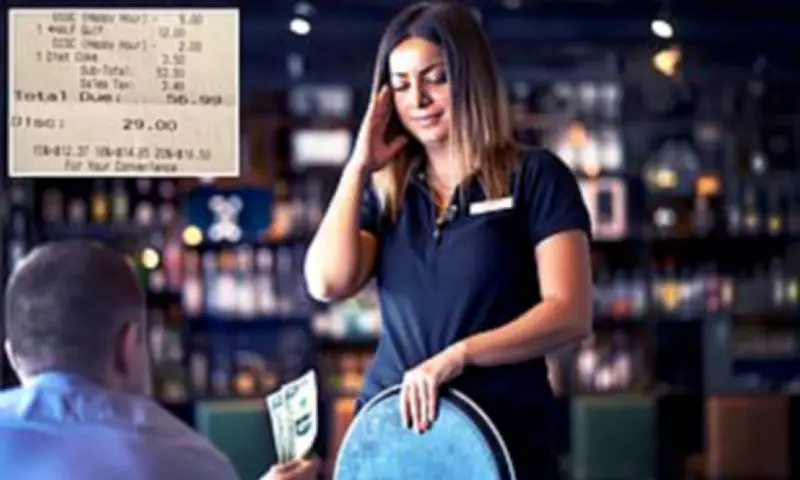
The controversy erupted on Reddit when a dissatisfied diner shared a receipt that clearly illustrated the deceptive calculation. The document showed that suggested tip percentages were based on the original total of $56.99, even though the customer only paid $29 after applying a happy hour discount. This meant the suggested 20 percent tip was displayed as $16.50—more than half of the actual bill amount.
"What kind of dumb logic is that?" the customer wrote in their Reddit post accompanying the receipt. "Tipping has already gotten out of hand because of this entitled attitude. It was supposed to be 10 to 15 percent for exceptional service."

How the System Works to Inflate Tips
Investigations revealed that the restaurant's point-of-sale (POS) system was configured to apply discounts manually instead of using the built-in happy hour pricing option. Consequently, the system continued to calculate suggested gratuities based on the pre-discounted totals. Customers who failed to notice this discrepancy and simply selected a suggested percentage would end up tipping substantially more than intended—effectively rewarding service based on money they never spent.
This practice has sparked widespread condemnation across social media platforms, with many users expressing frustration over what they perceive as manipulative tactics. The incident has fueled a broader debate about tipping culture and transparency in hospitality billing practices.
Broader Context: A Pattern of Tipping Controversies
This is not an isolated incident in the ongoing discussion about gratuity practices. In late March, a similar debate flared when another diner shared a receipt showing inflated suggested gratuities that didn't accurately reflect the stated percentages. That customer recalculated the correct tip on a $30.53 bill and wrote "I do math" directly on the receipt, prompting mixed reactions online.
Some defended the practice, with one critic dismissing the fuss by stating: "It's just a dollar or two, and it goes directly to the server. If you can't afford to tip, you probably shouldn't be dining out." However, others pointed out that servers often have no control over how suggested gratuities are programmed into POS systems, while numerous customers shared similar experiences of misleading calculations.
Recent Examples of Tipping Tensions
In March, one customer accused Shake Shack of "begging for tips" through their mobile app, which defaulted to a 10 percent gratuity for orders. The customer removed the tip only to find their food hadn't been prepared upon arrival, leading them to question whether skipping the gratuity played a role in the delay.
Meanwhile, diners at G&M Restaurant were outraged in January when a $260 bill appeared to have the 15 percent tip option—approximately $36.75—scratch out by their server. Although they described the service as friendly and "decent enough," they said the alteration made it seem like that amount wouldn't be acceptable. The waitress had also written "Thank you" on the receipt in advance, a move the group called "entitled" and "infuriating." One diner later stated on Reddit they would have left no tip at all if they had been paying individually.
These incidents collectively highlight growing customer frustration with tipping practices that appear designed to maximize gratuities through questionable calculations and psychological pressure. As the debate continues, many are calling for greater transparency and fairness in how suggested tips are presented to diners.