Ranch Dressing: The American Condiment That Started on a Dude Ranch
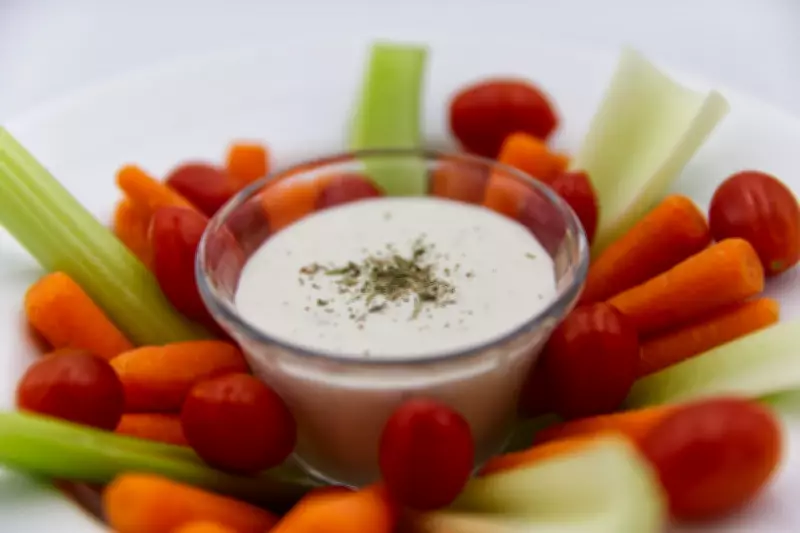
Ranch dressing stands as the undisputed best-selling salad dressing across the United States, having overtaken Italian dressing in popularity towards the close of the 20th century. This creamy, herb-infused condiment continues to be a favourite for dressing iceberg and romaine lettuces, but its uses have dramatically expanded far beyond the salad bowl.
From Salad Topping to Cultural Icon
Today, ranch competes directly with ketchup and other classic condiments, serving as a versatile dip for everything from hot wings and fried pickles to, most controversially, pizza slices. Its ubiquity is undeniable, making it a staple in grocery stores, home recipes, and restaurant menus nationwide. Entire cookbooks have been dedicated to ranch-flavoured dishes, and there is even a restaurant solely focused on celebrating this iconic taste.
Beloved by many yet maligned by some, ranch dressing has embedded itself into America's cultural fabric. Writers have alternately praised it as the "Great American Condiment" and critiqued it as "extravagant and trashy." Nick Higgins, an executive for Hidden Valley Ranch's parent company, notes that ranch carries a powerful sense of nostalgia, tapping into sentimentalism and fostering a dedicated fandom. The company embraces the viral food debates their product inspires. "We love it," Higgins said. "It's one of the things we can debate as people and it's OK."

The Entrepreneurial Origins of Ranch
The journey of ranch dressing to its current mountaintop status is a quintessentially American story, showcasing entrepreneurial spirit and innovation. "What started out almost as a lark became a multimillion-dollar industry," explained the late Steve Henson in a Los Angeles Times article about his famous creation and the Hidden Valley Ranch business.
As a plumbing contractor working in Alaska, Henson first served his homemade dressing to fellow workers. The concoction of herbs, spices, buttermilk, and mayonnaise proved so popular that when he and his wife opened the Hidden Valley dude ranch in California, guests adored it. This led Henson to sell it as a do-it-yourself dry mix. Two decades later, he sold the business to The Clorox Company, which developed a shelf-stable bottled version. Competitors like Ken's, Kraft Foods, and Wish-Bone soon entered the market, further cementing ranch's place in American pantries.
Enduring Popularity and Cultural Impact
Debbie Wilson Potts, whose family owns Cold Spring Tavern in California—the first establishment to serve Henson's dressing outside his dude ranch—exemplifies the passion ranch inspires. Her late aunt, who knew Henson personally, once described her first taste: "It took off in my mouth like a freight train."
That explosive flavour sensation quickly spread across America. In his book "American Cuisine and How It Got This Way," historian Paul Freedman lists ranch dressing alongside sushi and arugula as defining food fads of the 1980s. This same decade introduced Cool Ranch Doritos, further embedding ranch into popular culture. After over four decades of sustained popularity, Freedman suggests ranch dressing is likely here to stay, a permanent fixture in the American culinary landscape.