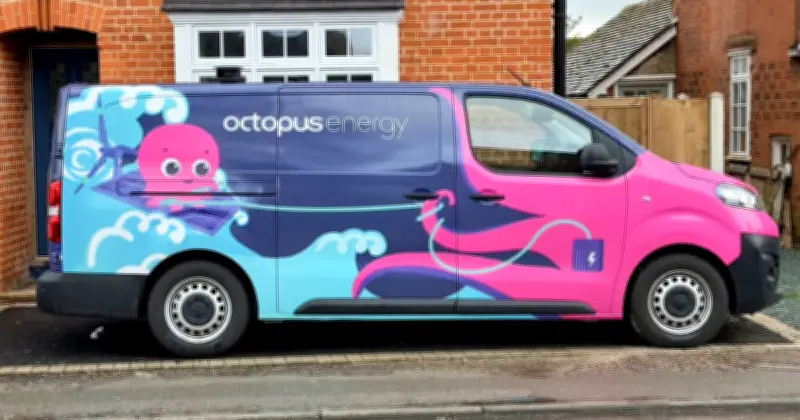
Octopus Energy customers can automatically save around £93 per year on their energy bills by making one simple change to how they pay.
The energy supplier says customers who pay by Direct Debit can access discounted rates and save approximately £93 annually by spreading payments evenly over a 12-month period. Those without a Direct Debit set up can end up paying more, as the process creates additional admin for suppliers.
Octopus says it does not think it is fair to make everyone cover the extra cost, so it offers a cheaper rate to customers who choose to pay by Direct Debit, which costs the firm less to manage.
How the automatic saving works
Customers who change how they pay their energy bills by setting up a Direct Debit will have their bills automatically adjusted, making an annual saving of around £93.
Octopus Energy said: "Setting up a Direct Debit and spreading your payments evenly over 12 months is the most popular way to pay."
"Less admin on our side makes it more cost-effective for both of us: so we give you a discount on your rates. The average home on our Flexible Octopus tariff can save around £93 a year."
Price cap rise ahead
The money-saving tip comes as the average household gas and electricity bill is due to rise by 4% from next month, as Ofgem's energy price cap rises to a three-year high.
From October 1, the price cap will rise by £60 per year (or £5 per month) to £1,723 for a typical dual fuel household in England, Scotland and Wales. The increase is largely due to higher wholesale gas prices amid the ongoing conflict in the Middle East.
Early forecasts suggest bills will rise even further next year, with analysts Cornwall Insight predicting the price cap will hit £1,872 per year from January to March, up 9% on October's level.
What the price cap covers
The price cap limits the amount an energy supplier can charge for units of gas and electricity, and it also impacts the standing charge, which is a daily cost per fuel type set by Ofgem.
The cap is not the absolute maximum price households will pay for energy, as it is based on usage, so those who use more energy will ultimately pay more.
There is some relief from the price cap rise next month, as the government is removing VAT from electricity bills from October 1 to March 31, 2027, but the 5% VAT charge for gas will still remain.