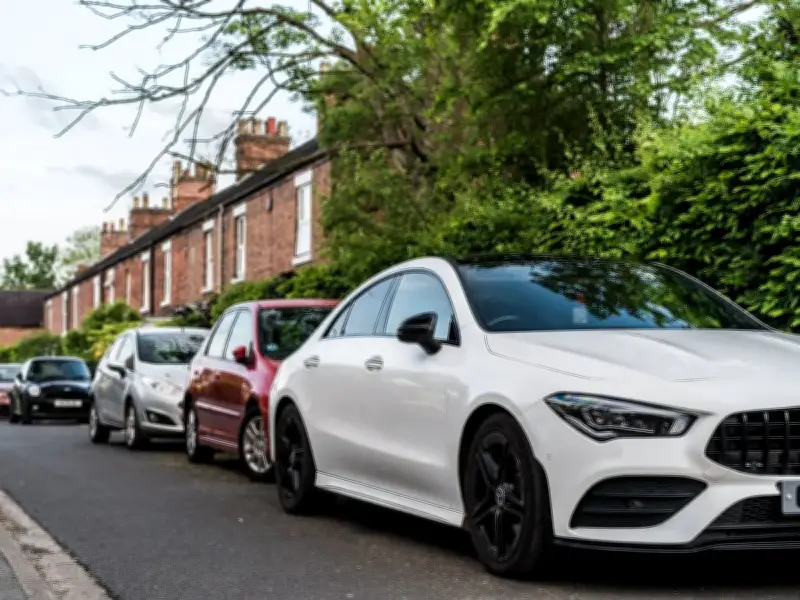
Residents in England without a driveway can now save as much as £300 on home charging following a new regulation that came into force on October 21. The Government announced a reduction in red tape designed to make charger installation cheaper, simpler and faster.
Drivers will no longer be required to obtain planning permission to fit cross-pavement chargers, which are routed beneath pavements connecting homes to their vehicles. This will save drivers up to £300 on installation costs and open up home charging for as little as 2p per mile. The measure forms part of the Government's wider effort to deliver 'everyday fixes' that ease the burden of the cost of living.
Record EV sales and government support
This follows September 2026, which proved yet another record-breaking month for UK electric car sales — up 36% in a year, with nearly 100,000 electric vehicles sold in a single month. Sales have received a further boost from the Government's Electric Car Grant (ECG), which has so far helped more than 190,000 drivers save up to £3,750 off a new electric vehicle (EV).
Financial experts have now shared their views on the change.
'Sensible move'
Scott Gallacher, director at Rowley Turton, said: "A surprisingly sensible move from the Government. Removing unnecessary bureaucracy at virtually no cost to taxpayers is welcome."
"However, let's not overstate its significance. Most homeowners with driveways already benefit from permitted development rights for EV chargers. This change specifically helps those without off-street parking and they'll still need approval for the pavement crossing. As an EV owner myself, I welcome anything that makes charging cheaper and easier."
"But how many people were actually paying £300 for planning permission in the first place? Ultimately, this is a welcome one-off saving for a relatively small group of motorists, rather than a transformational change. The biggest barrier to EV ownership remains the cost of the vehicles themselves, even second-hand."
'Lovely if you can afford it'
Harry Goodliffe, director at HTG Mortgages, said: "Saving £300 on a charger is lovely if you can afford the car to plug into it. That's the problem with calling this a cost of living fix."
"It helps people who already own an electric car and a house with a kerb outside and the Government is taking credit for scrapping a planning rule it should never have needed. Nearly 100,000 EVs sold in a month is a real number, but the £3,750 grant did that and it's a grant for people with money to spend."
Savings of an EV
Steven Greenall, mortgage and protection adviser at Protect & Lend, said: "I have an EV and the savings at the moment are astonishing, so it's great for more people to be able to access chargers at home. But how is navigating pavements going to work if pavements are dug up every time a home wishes to lay cables to the roadside?"
Nouran Moustafa, practice principal and Independent Financial Adviser at Roxton Wealth, said: "This is a positive change because one of the biggest frustrations with EV ownership is that the cheapest charging is usually available to people with their own driveway. Making home charging easier for people who park on the street helps close that gap."
"But I would not buy an EV because the Government has saved me £300 on an installation. The financial decision needs to include the purchase price, depreciation, insurance, mileage, charging access and the electricity tariff available to you."
For some high-mileage drivers with reliable home charging, an EV can make a lot of financial sense. For somebody who already owns a perfectly good petrol car and drives very little, replacing it early may cost far more than they save. The cheapest car is often the one you already own. An EV should be a transport decision first, not a grant decision.