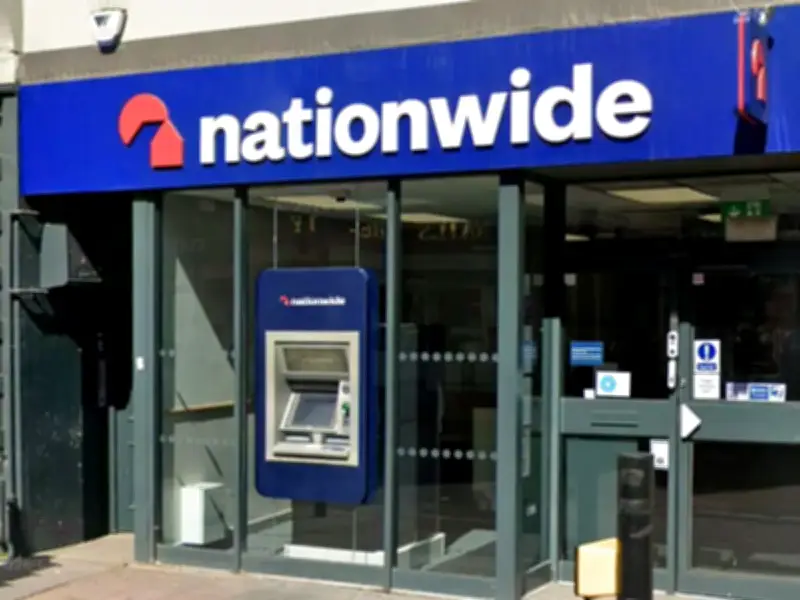
Nationwide Building Society has confirmed it will be reviewing a bonus payments scheme, with plans already in place to change the eligibility for the programme and some key dates confirmed.
The savings giant has shared an update about the expansion of the Help to Save scheme. This is a Government savings scheme run by HMRC where deposits you make get a 50 per cent bonus added on top. You can pay in up to £50 a month and get up to £1,200 in bonus cash over the four years you hold the account. People on Universal Credit who are in work can currently access this support - but the eligibility rules are expanding soon.
Eligibility changes from 2028
Ministers have confirmed that from 2028, the qualifying rules for the scheme will be expanded so anyone who receives a childcare element or the carer's element of Universal Credit will be able to open an account, regardless of if they are in work. Another change coming in from then is that the programme will switch to a 'multi provider model', meaning banks and building societies will be able to directly offer the account to their customers.
Nationwide statement
Nationwide was asked if it plans to offer Help to Save to its customers. A Nationwide spokesperson said: "Building a savings nest egg and strengthening financial resilience is important, particularly for those on lower incomes.
"The Government's plans for Help to Save are an encouraging step in helping more people develop regular savings habits, and we look forward to reviewing the detail of the proposals as they develop."
HMRC was asked for more details about how the multi provider model will work. The department said the Government is working on implementing the expanded scheme, with the final design and legislation yet to be set out.
More details will be published ahead of when the changes come in. Help to Save is currently administered by HMRC in partnership with state-owned savings provider NS&I, which also runs the Premium Bonds scheme.
How does Help to Save work?
These are the key rules to understand about how the current Help to Save scheme works:
- Eligibility - You must be claiming Universal Credit and you (with your partner if it's a joint claim) had take-home pay after deductions of £1 or more in your last monthly assessment period. You must also be a UK resident.
- Separate accounts - If you get payments as a couple, you and your partner can both apply for your own Help to Save accounts. You need to do separate applications.
- Deposits and withdrawals - You can pay in up to £50 each month. You can withdraw funds early during the term if you need to and you will still get your bonuses.
- How bonuses are calculated - You will receive two tax-free bonuses over the four years. The first is after your first two years, when you will get a 50 per cent bonus of the highest balance you have saved. After four years, you will get your second and final bonus. This will be 50 per cent of the difference between the highest balance you save in the first two years and the highest balance you saved in the last two years.
- Maximum bonuses - So if you consistently pay in your £50 each month, you will get a £600 bonus at the end of the first two years and another £600 bonus at the end of the last two years.
The most you can pay into your account each calendar month is £50, which is £2,400 over 4 years. The most you can earn from your savings in 4 years is £1,200 in bonus money.
Recent Government figures showed more than nine in 10 account holders had paid in the maximum £50 each month. More than 650,000 accounts had been opened up to the end of April 2026.
You can apply to open a Help to Save account on the Government website.