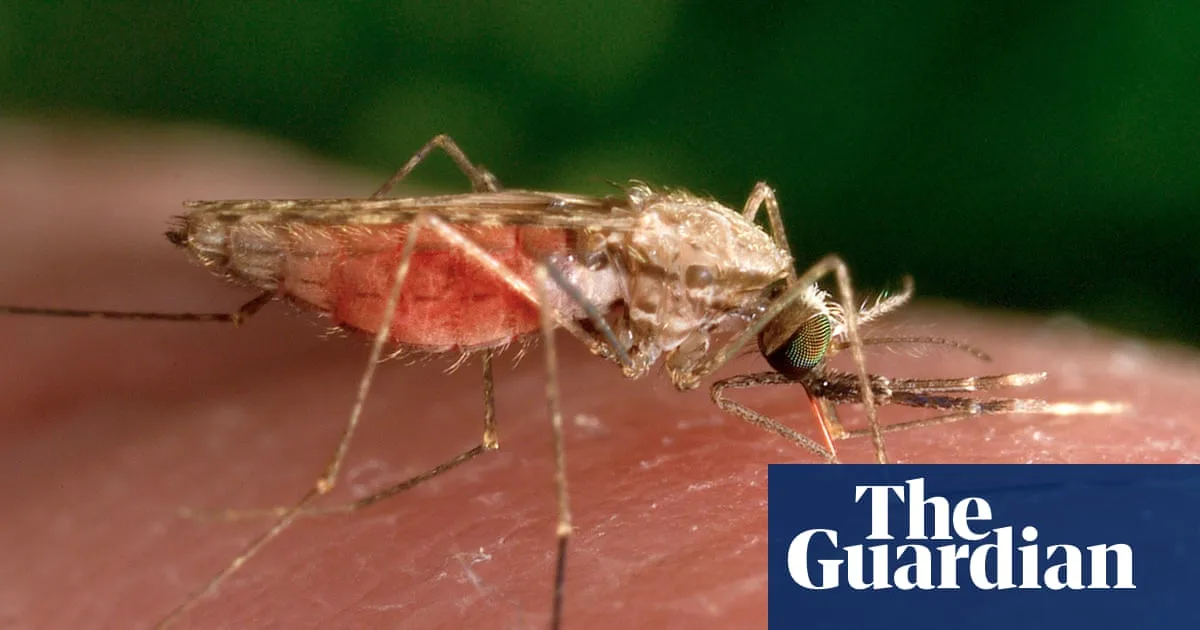
Every summer, millions of people spray themselves with insect repellent to keep mosquitoes at bay, but new research suggests these blood-sucking insects can learn to associate the repellent with food, potentially undermining its effectiveness.
Study Reveals Mosquitoes Can Overcome Repellent Aversion
DEET, chemically known as N,N-diethyl-meta-toluamide, is a widely used ingredient in insect repellents and is recommended by the UK Health Security Agency. Mosquito-related illnesses kill approximately 700,000 people annually, according to the World Health Organization (WHO), making repellents crucial in regions where bites can transmit malaria, Zika virus, dengue, and Japanese encephalitis.
However, a study published in the Journal of Experimental Biology indicates that mosquitoes can start to associate the smell of DEET with a reward over time, and in some cases, they become attracted to it.
"If someone applies DEET and the concentration fades over time, but a mosquito still manages to feed, the insect may begin associating that smell with a reward," said Clément Vinauger, associate professor at Virginia Tech. "That's a possibility we should take seriously when we think about how repellents are used in the real world."
Pavlovian Conditioning in Mosquitoes
For the study, researchers focused on the yellow fever mosquito, Aedes aegypti, a species that spreads dengue fever, Zika, yellow fever, and chikungunya, which infect tens of millions of people each year. The team trained the mosquitoes using a form of Pavlovian conditioning, similar to Ivan Pavlov's classic experiments where dogs learned to associate a bell with food.
Mosquitoes were restrained behind a fabric mesh with a bag of warm blood positioned just out of reach. After the mosquitoes began to feed, researchers introduced the smell of DEET. After repeating the experiment four times, more than 60% of the insects tried to feed when they smelled DEET.
Next, mosquitoes were given a choice between two human hands: one untreated and one coated with DEET at normal concentrations. Untrained mosquitoes avoided the DEET-treated hand, but trained mosquitoes were drawn to it.
"The common assumption has always been that repellents work because of their chemistry — that DEET simply smells bad to mosquitoes and they flee or that its chemistry prevents mosquitoes from smelling us," said Vinauger. "But what we are showing is that the mosquito's brain can rewrite that response based on experience. What the insect has learned matters just as much as what the chemical does. That, I think, is a paradigm shift."
Implications for Repellent Use
The findings do not mean people should stop using DEET, Vinauger emphasized. It remains one of the most effective repellents available. "If you're in tropical regions where disease risk is real, you should use it," he said.
However, the study suggests that timing and concentration may matter more than previously understood. "Instead of applying a lot at once, you may want to reapply regularly so it's always active and providing continuous protection," Vinauger advised.