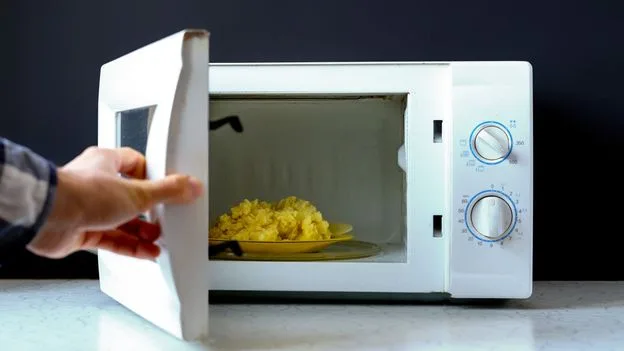
Despite decades of use, microwaves remain a subject of debate concerning health. While microwave radiation is safe according to the World Health Organization, concerns persist about nutrient loss in food and the risks of heating plastic containers.
Research shows that microwaving can cause nutrient loss, but the extent varies. For instance, microwaving broccoli removes 97% of flavonoids—more than boiling. However, a 2019 study found that microwaving for just one minute preserved flavonoids, and even increased some compounds compared to steaming.
Overall, microwaving often retains nutrients better than boiling. A 2023 study concluded it was the most effective method for preserving nutrients in vegetables. However, each food responds differently; for example, microwaving reduced phenolics in squash and leeks but not in spinach or peppers.
Plastic containers pose a risk when heated, as phthalates can leach into food. Experts advise using only microwave-safe plastics and avoiding containers not designed for high temperatures to prevent chemical migration.