

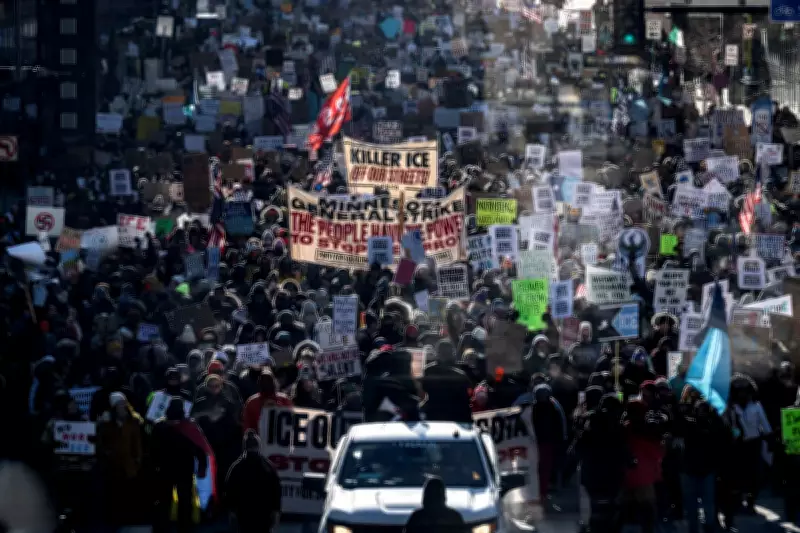
Activists across the United States are organizing a coordinated economic blackout on May Day, urging consumers to refrain from all non-essential spending for 24 hours. The protest aims to highlight growing economic inequality and the influence of large corporations on American society.
Origins and Demands
The initiative, spearheaded by grassroots organizations and labor unions, draws inspiration from historical May Day labor movements. Organizers demand fair wages, affordable healthcare, and stronger worker protections. They argue that consumer spending is a powerful tool to pressure corporations into adopting more ethical practices.
Scope of the Blackout
Participants are encouraged to avoid purchases at major retailers, online platforms, and service providers. Essential expenses such as rent, utilities, and medical bills are excluded. The movement has gained traction on social media, with thousands pledging to join the boycott in cities including New York, Los Angeles, Chicago, and Atlanta.

Economic Impact
Economists are divided on the potential impact. Some suggest that a one-day boycott may have limited effect on corporate revenues, while others argue that widespread participation could send a strong message. Retailers and small businesses may also feel the pinch, though organizers emphasize the boycott targets large chains rather than local shops.
Historical Context
May Day has long been associated with labor rights protests worldwide. In the US, similar economic boycotts have been attempted in recent years, including the 'Blackout Friday' protests against Black Friday consumerism. The current movement reflects growing discontent with income disparity and corporate lobbying power.
Reactions
Business groups have criticized the boycott, calling it counterproductive and potentially harmful to workers. However, labor advocates see it as a necessary step to reclaim economic power. Political figures have offered mixed responses, with some progressive lawmakers expressing support while others remain cautious.
As May Day approaches, organizers are mobilizing through community events and online campaigns. Whether the blackout will achieve its goals remains to be seen, but it has already sparked a national conversation about economic justice.






