
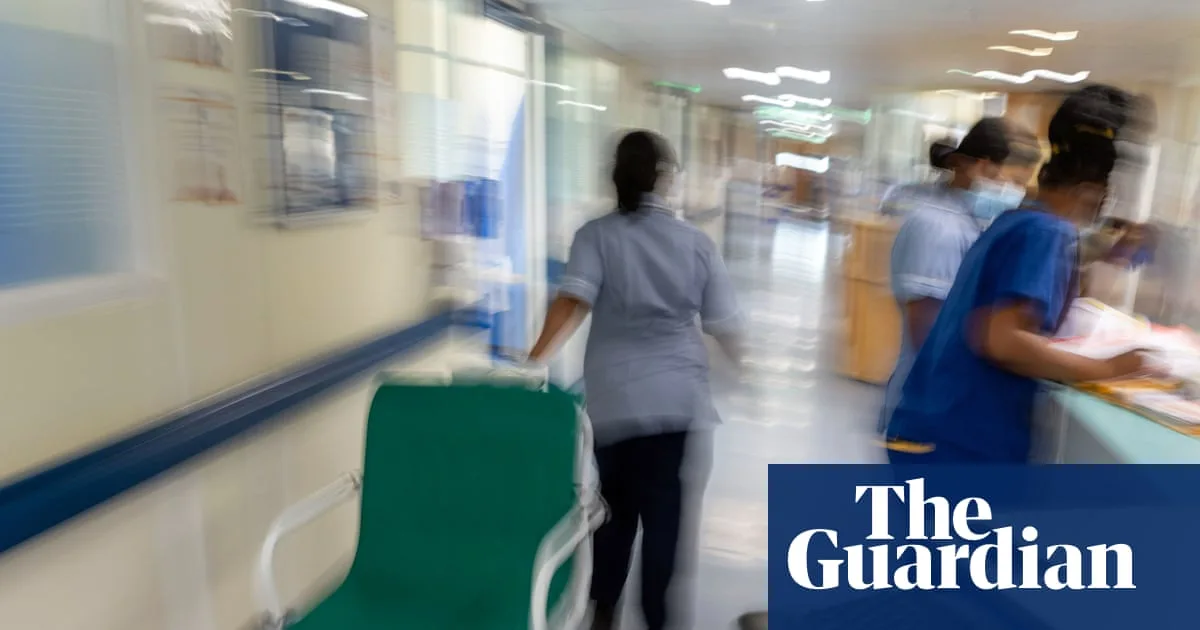
Hospitals across England have declared critical incidents as the ongoing heatwave causes widespread failures of medical equipment and IT systems, according to doctors and NHS trusts. Radiotherapy machines, MRI scanners, and cooling units have broken down, while IT servers have overheated, forcing staff to turn off non-essential computers and lights.
At Queen Alexandra Hospital in Portsmouth, cooling unit failures led to elevated temperatures across the site, affecting digital systems and critical clinical services including operating theatres and diagnostic scanning. The Royal Devon and Exeter Hospital also declared a critical incident due to the heat and humidity impacting service delivery.
In Norfolk, hundreds of appointments were cancelled after MRI scanners stopped working when cooling systems failed. Norfolk and Norwich University Hospitals NHS Foundation Trust said no working MRI scanners were available across its Norwich sites. The London Ambulance Service reported its highest ever number of life-threatening emergencies in a single day due to the heat.
Doctors described awful conditions on sweltering wards, with older patients enduring temperatures up to 35°C. Staff are struggling with sleep deprivation, and some medics have been unable to work due to school closures. NHS England said hospitals are implementing hot weather plans, including managing temperatures and prioritising care for high-risk groups.




