
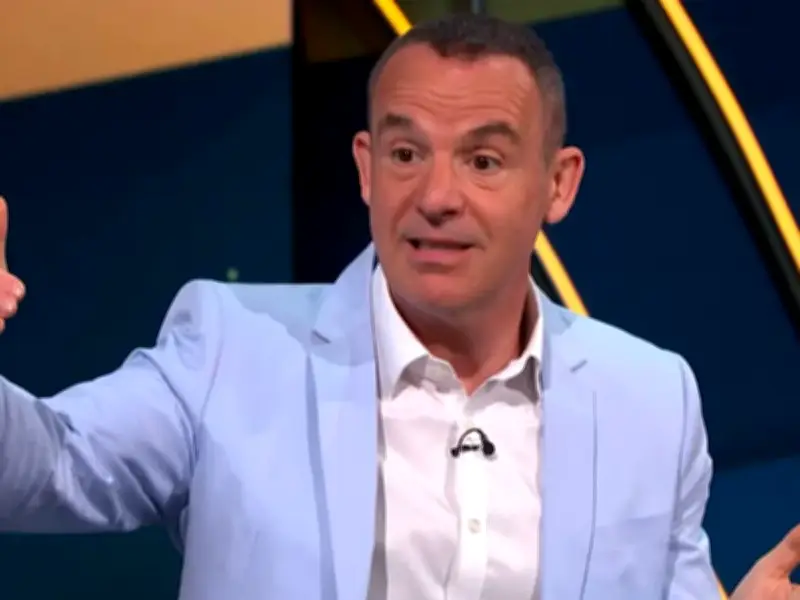
Martin Lewis is warning people to keep track of their subscription renewal dates after a listener to his BBC podcast was charged £229 — nearly three times the original £80 price — when their DNA family tracing website automatically renewed under its existing auto-renewal policy.
The warning follows a listener recounting their frustrating experience of facing an unanticipated price increase. They had subscribed to the DNA family tracing website 12 months earlier for a promotional rate of £80. However, when the subscription automatically renewed, the firm charged them £229 — nearly three times the original amount.
Set a calendar reminder
Responding to this cautionary account, Mr Lewis encouraged everyone to track their renewal dates carefully. He said: "This is why I always tell people on subscriptions you need to diarise a strong date, three or four weeks before your subscription is due to renew, so you can make an active decision yourself as to whether it should renew or not."
He observed that consumers are enticed by these low introductory offers "all the time", only to be stung by sharp price jumps afterwards. Following the customer's complaint, the firm offered them a partial reimbursement of £46. The company stated they had dispatched an email outlining their auto-renewal terms immediately after the original purchase.
The listener questioned Mr Lewis about whether firms are legally obliged to send a reminder ahead of renewal, and whether customers are entitled to cancel for a full refund. Mr Lewis explained that while he believes companies should send reminders on moral grounds, they are not currently legally obliged to do so — though this is set to change in the near future. He also noted that while customers typically benefit from a 14-day cooling-off period to cancel and receive a full refund upon first purchasing a service, that right does not ordinarily extend to automatic renewals.
He advised the listener to get in touch with Citizens Advice to discuss the specifics of their contract, though he conceded it's "not looking very hopeful."
How to fight back
Nevertheless, Mr Lewis did offer some suggestions for how the customer could take on the company in a bid to recoup their money. He recommended that the customer try raising a complaint directly with the firm, arguing that such a significant price increase without any prior warning is "really unacceptable."
He offered a crucial tip for those entering into negotiations: "When you write that, my big suggestion would be tell them what you want. What would be an acceptable amount?"
"I mean, you could even go back and say, 'I'm willing to pay the same price as I did last year. I don't want this subscription anymore. I'd happily cancel it, but I'm willing to give another year at £80.' This is assuming Citizens Advice have told you you haven't got any rights after looking at the specific contract."
New rules coming in 2027
Mr Lewis highlighted that while the law doesn't currently protect consumers, stronger safeguards are on the way. He said: "Currently, there is no legal requirement to send consumers a reminder before an auto-renewal or before a free trial converts into a paid subscription. It isn't there.
"Traders will be required to send written reminder notices to consumers before the first payment after a free or discounted trial ends, at least every six months during a subscription, and on two occasions before a renewal payment that is not due for 12 months or more. So if this was in a year's time, the answer would strongly be, 'Yes, they need to remind you.' And this is why right now people still need to be very careful."
From January 2027, new regulations will mean: firms must send reminders before free trials or reduced rates convert to full price, and ahead of annual renewals; consumers will receive a 14-day cooling-off period to cancel and obtain a refund after a free or discounted trial concludes or when an annual contract renews; and cancelling must be straightforward and simple — if you registered online, you must be able to cancel online with equal ease.




