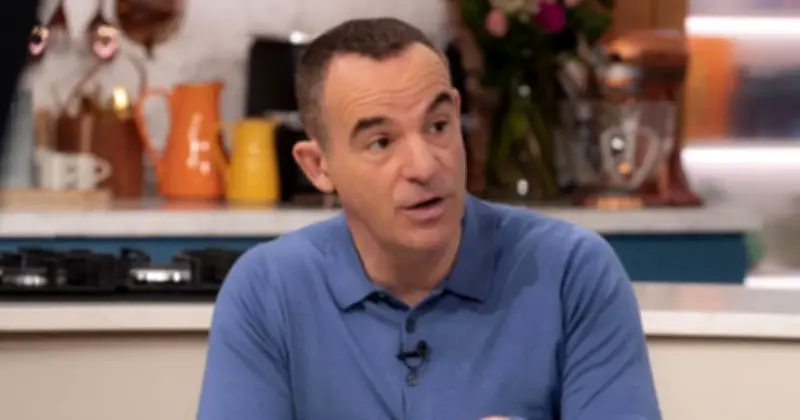
Martin Lewis has issued an important warning to anyone considering overpaying on their mortgage to get ahead of expected interest rate rises. The MoneySavingExpert.com founder made the comments while responding to listeners' questions about whether, with interest rates likely to rise, they should save or overpay on their mortgages.
Bank of England rate outlook
Last week, the Bank of England kept the Bank Rate at 3.75%, with the governor of the central bank, Andrew Bailey, saying "higher global energy costs have had a limited effect on price and wage setting in the UK". However, Mr Bailey warned that the "longer this volatility persists, the bigger the impact it will have on inflation, and the more likely it is we will need to raise Bank Rate to ensure that inflation falls back to our 2% target". A rise would have implications for people with mortgages, as higher interest rates increase borrowing costs, leading to higher interest on their monthly payments.
Overpaying vs saving
One way to avoid this is to overpay on your mortgage before interest rates rise. Doing so means you can reduce the capital you need to repay, and therefore future interest on that, whilst paying interest at a lower rate than any expected rise. But Martin Lewis warns that it's not without risk, and you could still end up in arrears if you're not careful.
In a post on X on Friday, the personal finance guru says the simple rule of thumb is that if the cost of the mortgage is higher than the interest you would earn on savings after tax, "you're generally better to overpay the mortgage". Meanwhile, if your savings rate is higher than what you're paying on the mortgage, "you're generally better to save".
Key considerations before overpaying
However, he identified a couple of important points to consider when deciding what to do. "First of all, always make sure there aren't any penalties for overpaying your mortgage. Most people can overpay 10% a year without a problem. The second is to always keep an emergency fund of three to six months worth of bills before you overpay." Mr Lewis explains that if you overpay but something happens that means you aren't able to make payments in future, it wouldn't stop your lender putting you in arrears.
He said it's also worth noting that if you come up to a time when you're looking to remortgage, especially if you're borrowing a high proportion of your house's value, your L to V [loan to value] will be high. Interests rates are higher the closer the loan gets to the entire value of the home. But at that point you might be able to get a better mortgage deal if you're borrowing less, so you might want accessible savings at that point to put into the new mortgage as a lump sum, and bring down monthly costs. Putting that money aside rather than plowing it all into the mortgage means you have some flexibility for unexpected costs too.
He directed listeners to the Martin Lewis Podcast where you can find out more.