Gen Z have been named the most generous generation, carrying out a generous deed around five times a week, according to a new poll.
The survey of 2,000 adults revealed that 83% of 18 to 29-year-olds consider themselves generous, with 24% saying they donate money to those in need a few times a month.
How different generations give
Many are also giving in other ways, with 40% donating items to charity, 49% volunteering their time, and 23% taking part in charity events. But it's not just Gen Z stepping up. The research found Millennials are the biggest monthly donors, giving an average of £37 a month to worthy causes.

Older generations are still doing their bit too, with 54% of Boomers carrying out an act of kindness at least once or twice a week. Among those aged 62 to 80, 66% have donated goods to charity and 31% have donated spare change in the past year.
Giving while shopping
When it comes to giving while shopping, 21% of Brits donate by rounding up their bill at the till or self-checkout, while 39% support good causes by purchasing charity products.
The research was commissioned by McDonald's ahead of the UK's first ever McHappy Day, which is taking place on Saturday 26 September. For one day only, £1 from every qualifying main meal bought in selected restaurants will be donated to Ronald McDonald House UK, which supports families with seriously ill children.
Why people give
The research revealed the causes Brits are most inclined to back include children and young people (26%) and health charities (23%). And it appears kindness can benefit the giver too. Some 73% said assisting others has a positive impact on their mental wellbeing, while 76% said it makes them happier.
Another 28% believe it helps them feel more connected to those around them, according to the OnePoll findings. It also emerged 90% believe it's important to help others whenever possible, with 27% regularly offering support without expecting anything in return.
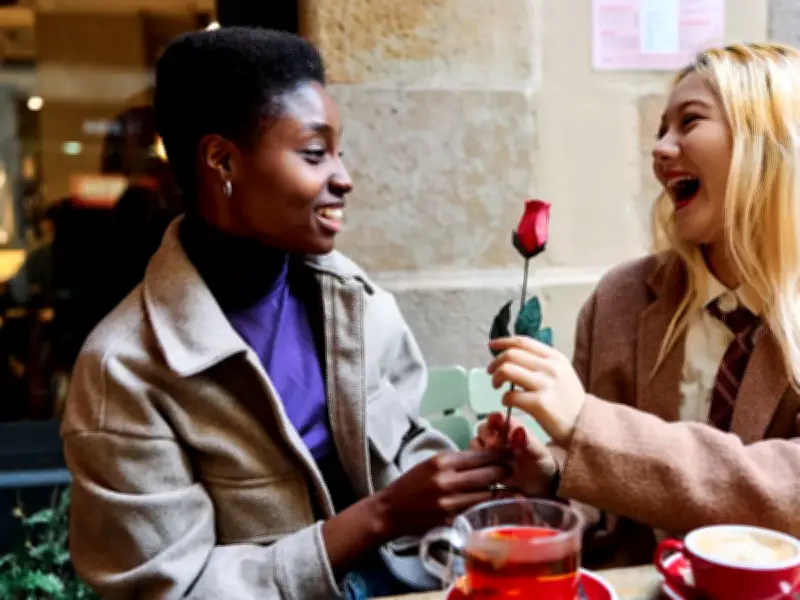
Meanwhile, 34% said they purchase surprise gifts for friends or family "just because". Popular spontaneous treats include chocolate or sweets (40%), flowers (31%) and a coffee (24%).
Overall, 53% reckon Britain is a generous nation. The biggest reasons people help others were said to be wanting to support those who need it most (37%), making a difference (31%) and brightening someone's day (31%).
A spokesperson for McDonald's, which has created a downloadable 'Good Deed' bingo card, said: "Whether it's giving up their time, donating money, helping a stranger or supporting a local cause, people are proving that acts of kindness remain a big part of everyday life."
"It's fantastic to see all generations embracing charitable giving and community support in some way. At a time when life can feel increasingly busy and demanding, it's clear that helping others still matters to people."
The spokesperson went on to say: "What matters most is often not the size of the gesture, but the impact it has. It's also encouraging to see that generosity leaves people feeling happier, more connected and more positive themselves."
"That's why initiatives such as McHappy Day are so important - giving people another opportunity to support the families who need it most. Ronald McDonald House UK provides extraordinary support for families whose world is turned upside down by a child's illness - offering free accommodation so they can be right there by their child's side, at no cost to them."
"Thanks to the generosity of our customers, franchisees and supply partners, every penny raised on Saturday 26th September will make a genuine difference."

The top 20 spontaneous acts of generosity include donating unwanted items, donating to charity, treating a friend or relative to a gift, helping a stranger, giving someone a lift, giving up your place in a queue to someone in a hurry, leaving a positive review to help a small business, bringing someone lunch or dinner, picking up litter in a public place without being asked, buying someone a coffee, helping someone get something off a high shelf or airplane overhead storage, sharing skills or expertise for free, supporting a local fundraiser, giving money to someone in need, posting a letter or parcel for someone, sending flowers or a care package to someone going through a tough time, introducing someone to a useful contact to help them find a job or opportunity, babysitting or pet-sitting for free to help someone out, buying a round of drinks unexpectedly, and helping someone carry a pram up or down a flight of stairs.