Condensation was once an unavoidable winter nuisance that I simply accepted as part of the seasonal routine. Each morning would bring the familiar sight of dripping windows, chilly, sodden patches around the frames, and even the unwelcome discovery of mould lurking behind furniture.
The Indoor Drying Dilemma
Drying laundry indoors only exacerbated the problem, particularly during the coldest winter months when throwing windows open was unappealing and cranking up the heating all day seemed financially reckless. The persistent dampness created an uncomfortable living environment that felt both chilly and clammy.
Heeding Expert Financial Advice
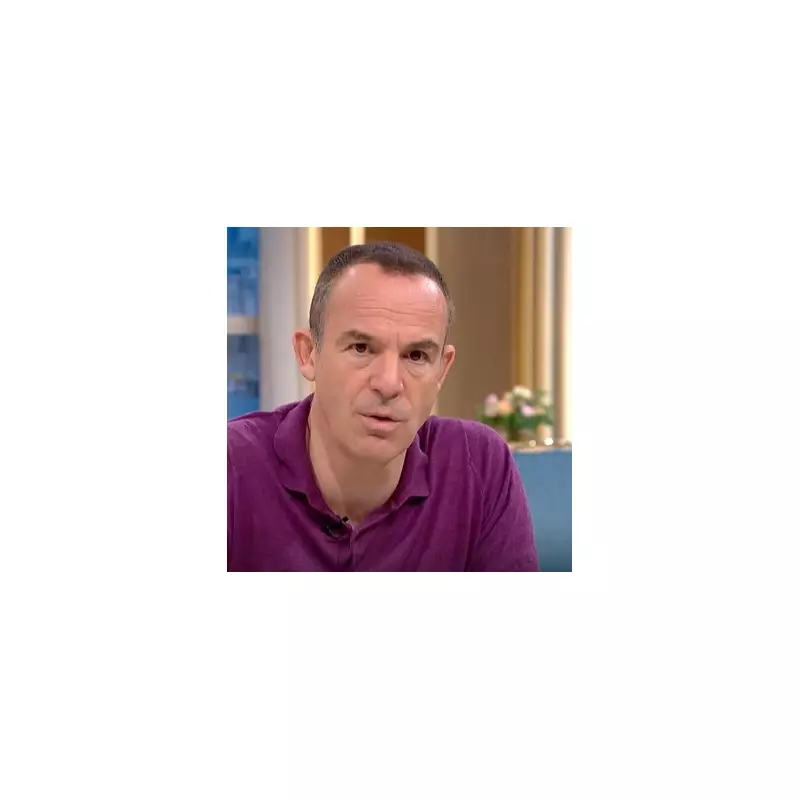
Everything changed after I acted on guidance from Martin Lewis, the renowned money-saving expert, regarding the most effective method to combat condensation without resorting to constant heating. During a past BBC Sounds podcast on 5 Live, a listener had questioned Lewis about whether purchasing a dehumidifier would prove more economical than using heating to address dampness caused by indoor clothes drying.

The MoneySavingExpert founder provided a clear explanation: "Dehumidifiers extract water from the air rather than using heating, and they are much lower wattage appliances than standard heating systems. So if the dehumidifier works for your situation, it will definitely result in lower electricity bills."
Crunching the Numbers on Appliance Costs
In a 2023 episode of The Martin Lewis Podcast, he went further, describing tumble dryers – which can cost up to £1 per hour to operate – as a "demon appliance" and recommending dehumidifiers as a superior alternative. He broke down the economics with characteristic clarity.
"Many dehumidifiers have different wattages – the one I examined was 200W," Lewis explained. "Once we know it's 200W and we know a kilowatt is 1,000W, which is how electricity is typically priced, we understand this is a fifth of a kilowatt. You pay roughly 34p per kilowatt per hour. A fifth is about 7p, so you're looking at roughly 7p per hour to run a 200W dehumidifier, assuming it uses full power continuously."
Taking the Plunge with a Purchase
Although I had been hesitant about the initial investment, I eventually took the plunge and purchased a dehumidifier – specifically the Meaco Arete One 10L model, which costs approximately 4p per hour to run. The transformation was both immediate and sustained.
We now wake up to completely dry windows every morning, even when outdoor temperatures plummet, and the entire house genuinely feels less damp and noticeably cosier. One of the most astonishing aspects has been witnessing the sheer volume of water the machine extracts from the atmosphere.
Visible Results and Improved Air Quality
Draining the reservoir has become a strangely rewarding – and somewhat concerning – routine, as it reveals precisely how much moisture was previously suspended in the air and condensing on surfaces, glass, and fabrics.
One of the most significant benefits has emerged during winter laundry routines. I frequently dry washing on an indoor airer, and previously, that dampness would linger in the atmosphere throughout the day. Now, the surplus moisture is captured directly by the dehumidifier's reservoir instead of seeping into walls and plasterwork.
This has created a marked improvement in overall air quality, and it also means laundry dries more quickly, reducing my reliance on the expensive tumble dryer. The dehumidifier in question has secured a Which? Best Buy accolade and a Quiet Mark recognition, endorsements that make perfect sense once you have experienced the device in action.
Weighing the Investment Against the Benefits
Priced at £159.99, it represents a marginally higher initial outlay, but is it worth the cost? For me, the answer is an unequivocal yes. Following Martin Lewis' practical guidance has resulted in dramatically reduced condensation issues and decreased dependence on both the central heating system and the tumble dryer.
Months later, my windows remain consistently clear, there is no lingering damp odour in the home, and I feel confident knowing that excess moisture is being managed effectively and economically. This simple change, inspired by expert financial advice, has banished a perennial winter problem for good.