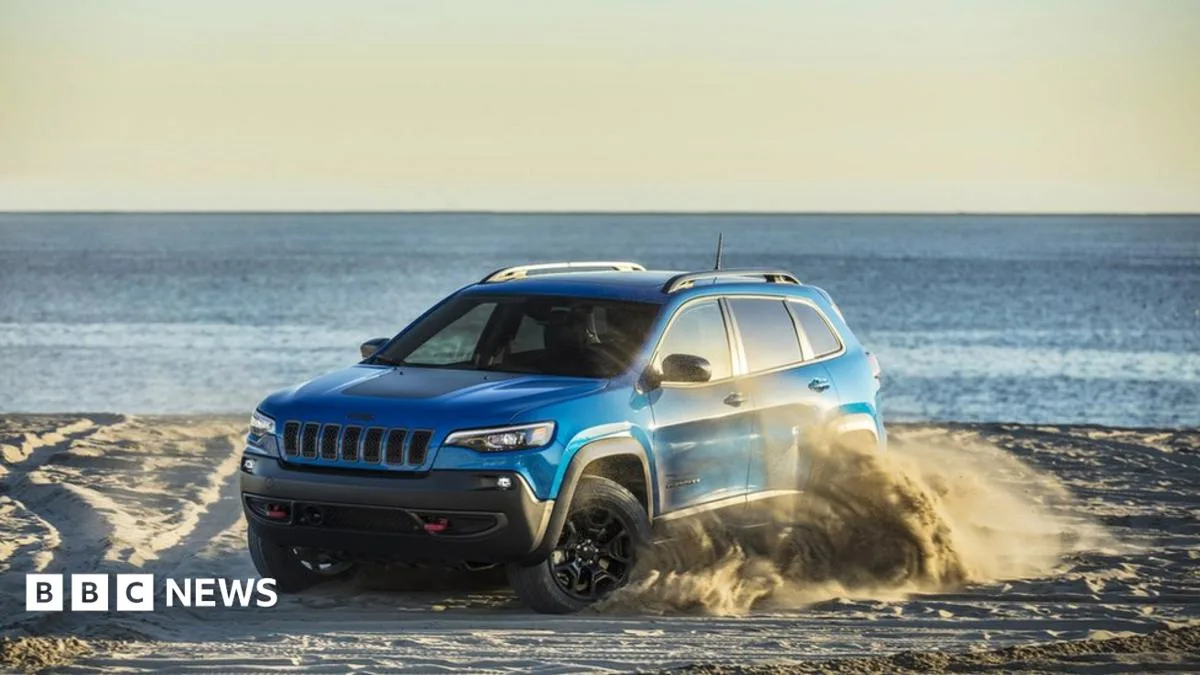
Law Professor Demands Jeep Rename Grand Cherokee Over Cultural Appropriation
Jeep Grand Cherokee Name Change Demanded Over Culture

A law professor is calling for Jeep to be compelled to alter the name of its Grand Cherokee SUV, arguing that the automaker profits from cultural appropriation. J Janewa Osei-Tutu, a Ghanaian/Canadian/American intellectual property attorney and educator at Miami University, contends that federal laws should be revised to safeguard what she terms 'cultural personality.'

Proposal for Legal Change

In her academic paper examining race, racism, and the law, Osei-Tutu asserts that cultural identities should not be exploited for commercial gain without consent, similar to how brands like Pepsi or celebrities like Taylor Swift control the use of their names. She writes, 'We should also have a right to control not only the commercial use of our individual personal identities but also our collectively held cultural identities.'

Osei-Tutu criticizes current intellectual property laws as 'underinclusive,' particularly regarding intangible cultural heritage from indigenous and local communities in the global south. She argues that these legal gaps enable corporations to 'capture and monetize this unprotected resource, which means that it is exposed and subject to misappropriation.'

Wide Pickt banner — collaborative shopping lists app for Telegram, phone mockup with grocery list

She specifically points to Jeep, which has marketed the Grand Cherokee since 1992 and has engaged in discussions with the Cherokee Tribe about the name but has not discontinued its use.

Reactions from Critics

Conservative legal analyst Jonathan Turley warns that Osei-Tutu's ideas would effectively criminalize cultural appropriation. He states, 'The proposal in this article would blow apart the copyright laws and use them to weaponize claims of cultural appropriation. It would codify the culture of viewpoint intolerance and speech regulation that currently characterizes higher education.' Turley predicts that such a law would trigger 'endless lawsuits' and stifle the cultural contributions immigrants bring to American society.

He adds, 'As an Italian American and an Irish American, I regularly see the language, foods, and traditions of my culture in society. Even when some make me cringe, I am proud of that influence. These are contributions to a melting pot of different cultures.'

Context and Previous Calls for Change

The Jeep Cherokee and Grand Cherokee are among the brand's top-selling models, accounting for 43 percent of Jeep's U.S. sales. Following the 2020 protests and racial unrest after George Floyd's murder, the Cherokee Nation tribe publicly urged Jeep to drop the name. Principal Chief Chuck Hoskin Jr. stated in February, 'I think we're in a day and age in this country where it's time for both corporations and team sports to retire the use of Native American names, images and mascots from their products, team jerseys and sports in general.' He added, 'I'm sure this comes from a place that is well-intended, but it does not honor us by having our name plastered on the side of a car. The best way to honor us is to learn about our sovereign government, our role in this country, our history, culture and language and have meaningful dialogue with federally recognized tribes on cultural appropriateness.'

Jeep has used the Cherokee name since the 1970s, with a hiatus before reviving it in 2013. The Cherokee Nation, the largest U.S. tribe with around 370,000 members, has been at the forefront of these discussions.

Broader Trend of Name Changes

These calls align with a broader shift among companies and sports teams responding to demands for more culturally sensitive imagery. For instance, Aunt Jemima syrup rebranded as Pearl Milling Company, and Uncle Ben's became Ben's Original. In sports, the Washington Redskins changed to the Washington Football Team (later Washington Commanders), and the Cleveland Indians retired their Chief Wahoo logo and became the Cleveland Guardians. However, the Atlanta Braves have resisted changing their name or halting the 'tomahawk chop' tradition, which some view as mocking Native American heritage.

Pickt after-article banner — collaborative shopping lists app with family illustration




