Martin Lewis Clarifies Key Shopping Rule for In-Store and Online Purchases
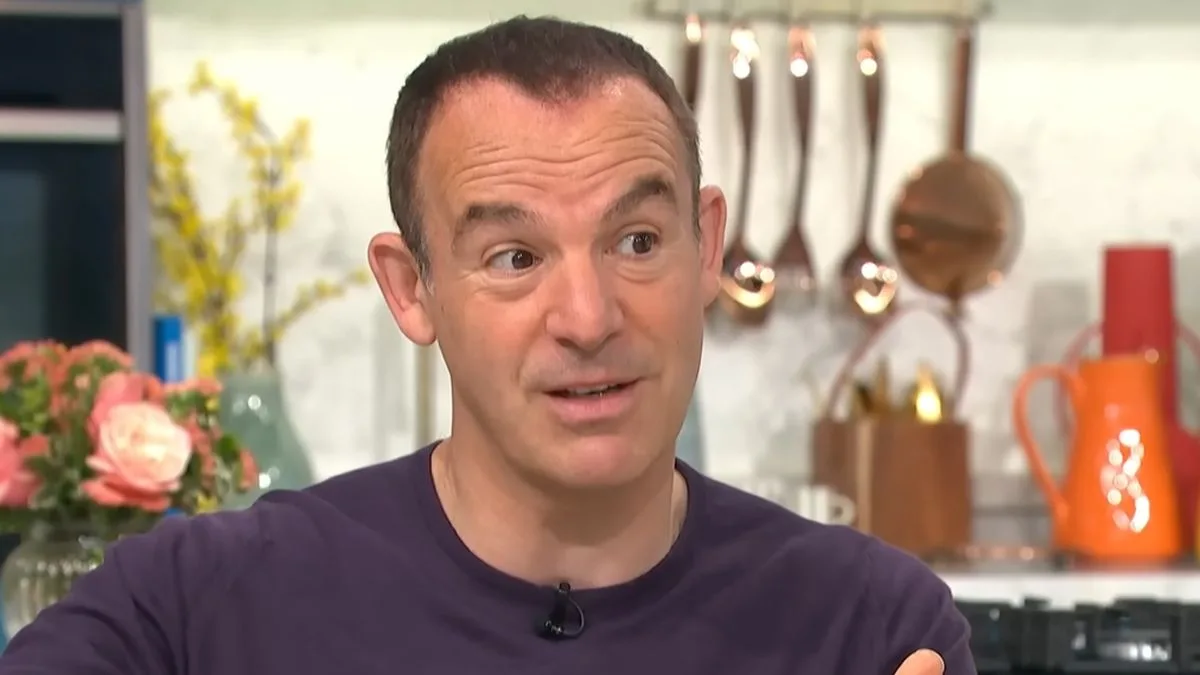
Consumer advocate Martin Lewis has detailed a vital rule that applies in any shop, whether you are browsing in person or shopping online. Understanding this regulation could help you secure a better price on your purchases, thanks to how price labels function under UK law.
The Legal Basis of Price Labels in Stores
In a recent episode of his BBC podcast, Martin Lewis shared a range of financial tips, including insights on energy bills and inheritance tax. He specifically addressed a common shopping scenario: if you find an item with a particular price label in a shop, but are charged more at the checkout, do you have a legal right to pay the advertised price?
The simple answer is no, but there are important factors to consider. Mr Lewis explained: "The label price is normally in UK law just an invitation to treat, it's not a binding offer. It's worth remembering that, because it does mean haggling in store is an option. If it's invitation to treat from them, you can offer a different price too."
The shop is inviting you to make an offer, and the contract is only formed when the retailer accepts your offer. In store, this typically occurs when they take your payment.
Disputing Price Errors and Retailer Policies
Although you have no legal right to claim the lower price on the label, it may be worthwhile to dispute it. Mr Lewis noted: "Many big retailers do operate store policies or scanning guarantees and will either sell at the lower price or refund the difference, or offer another remedy."
In contrast, if you are sold an item for a lower price than the retailer intended, you are not obliged to return it. Guidance from the Citizens Advice website states: "If the shop sold you an item at a lower cost than they meant to, you don't have to give it back."
They are only legally entitled to ask for more money if you had discussed the price, such as agreeing on £100, and they accidentally charged you much less, like £10. If you pay more for an item than was advertised, you can get your money back.
The advice continues: "If you realise you’ve paid more for an item than it was advertised for at the time, you can return it in its original condition and ask for a refund. They must refund you."
If you still want the item, you could ask the shop to refund the difference between what you paid and the advertised price. It is also advisable to take a photo of the advertised price to show the staff as evidence.
Different Rules for Online Shopping
However, the rules change when you are shopping online. Mr Lewis emphasised: "It's the point that the contract is formed that counts. Many people think that's when they pay. Online it tends not to be when you pay, it's when they dispatch the item."
He provided an example: if a person pays for an erroneously priced item, such as a plasma TV listed at £4.99 instead of £499, paying does not guarantee the right to that price. The consumer expert said: "If they haven't dispatched it, the contract hasn't been formed, and therefore they do have a legal right to cancel, I'm afraid."
You should check the company's terms and conditions, as the contract may be formed either once you've paid for the item or once they have sent it out to you.
The Citizens Advice guidance explains: "If you have a contract, the company can't usually cancel your order, even if they realise they've sold you something at the wrong price. They'll only be able to cancel it if it was a genuine and honest mistake on their part that you should’ve noticed."
This clarification from Martin Lewis highlights the importance of understanding consumer rights in both physical and digital retail environments, empowering shoppers to navigate price disputes effectively.