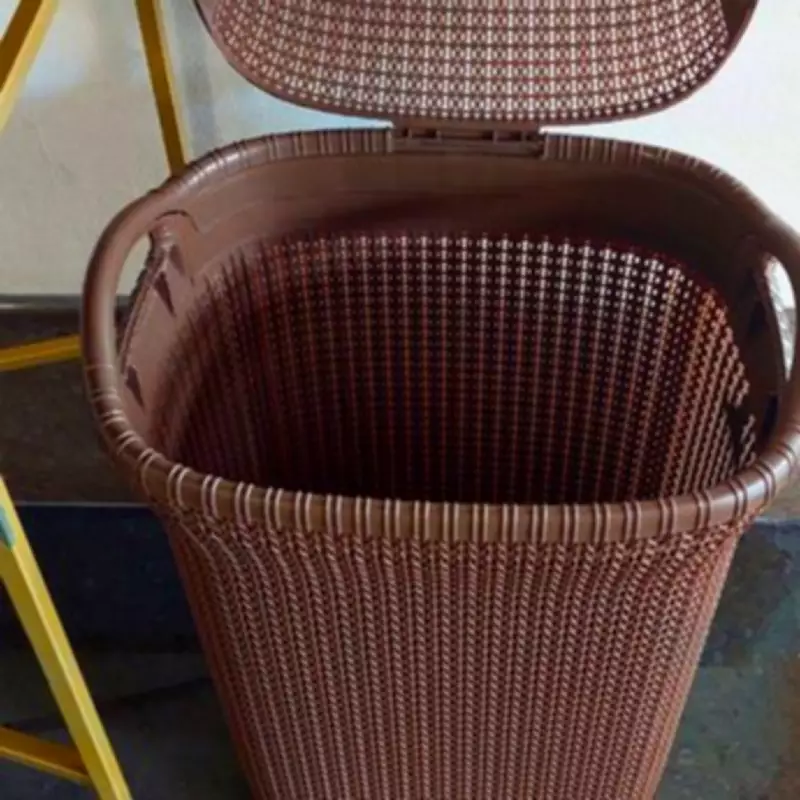
As spring arrives across the United Kingdom, many residents are eagerly embracing the warmer weather and longer days. This seasonal shift also marks an ideal time for thorough spring cleaning, with experts highlighting a commonly overlooked household item: the laundry basket.
The Hidden Dangers in Your Laundry Basket
Lisa, founder of Your Mom Village and a self-described cleaning enthusiast, has issued a stark warning to households. She emphasises that laundry baskets and hampers are often neglected, yet they can accumulate significant dirt and particles over time.
Dirty laundry acts as a breeding ground for bacteria and unpleasant odours, Lisa explains. One of the simplest methods to ensure your clothes remain fresh is to regularly clean your laundry basket itself.

Why Laundry Baskets Become Problematic
Laundry baskets, especially those constructed from plastic or fabric materials, are notorious for trapping moisture. During the winter months, when indoor heating is frequently used, these conditions can create a perfect environment for bacterial growth.
It is not unusual for dust, mildew, and mould spores to gather within laundry baskets. These contaminants can then transfer back onto your clothing during the laundry process.
Clothes can pick up contamination from a soiled laundry basket, and repeated exposure may leave fabrics with a persistent odour, even after they have been through a washing cycle.
Additional Concerns Beyond Odour
A hamper that has never been properly cleaned can contribute to a stale or sour smell in a room. Furthermore, it might harbour allergens that could irritate eyes and trigger sneezing episodes.
Fortunately, giving your laundry baskets and hampers a comprehensive clean is straightforward and typically requires only items already available in most homes.
How to Effectively Clean Your Laundry Baskets
Cleaning Plastic Baskets and Hampers
For plastic containers, the process is remarkably simple. You will need a bucket of hot, soapy water along with some bicarbonate of soda.
Bicarbonate of soda is alkaline, making it excellent for neutralising acidic odours such as those from sweat, mildew, or dampness. It leaves everything smelling fresh.
This substance is also highly absorbent and slightly abrasive, allowing it to tackle any residue in your basket or hamper without requiring extensive scrubbing.
Simply mix hot water, washing-up liquid, and several spoonfuls of bicarbonate of soda in a bucket. Dip a brush or sponge into the solution, thoroughly wipe down your basket or hamper, then dry it completely.
Cleaning Fabric Baskets and Hampers
If your hamper or basket is made of fabric, you can usually place it directly into the washing machine for a thorough clean.
Adding white vinegar to the detergent drawer of your washing machine can provide additional benefits. White vinegar helps eliminate lingering odours and possesses antibacterial properties that assist in killing germs.
For larger fabric baskets or hampers, you can place them in your bathtub with hot water and a few splashes of white vinegar. Allow them to soak for a couple of hours, squeeze out excess water, and then hang them up to dry completely.
Recommended Cleaning Frequency
For smaller households that handle laundry only once or twice per week, experts advise giving your laundry baskets and hampers a thorough clean on a monthly basis. This routine helps prevent bacteria from accumulating.
However, if you belong to a larger household where laundry is practically a daily activity, you should clean the baskets and hampers every fortnight. This more frequent cleaning helps eliminate any stale odours caused by perspiration and regular use.