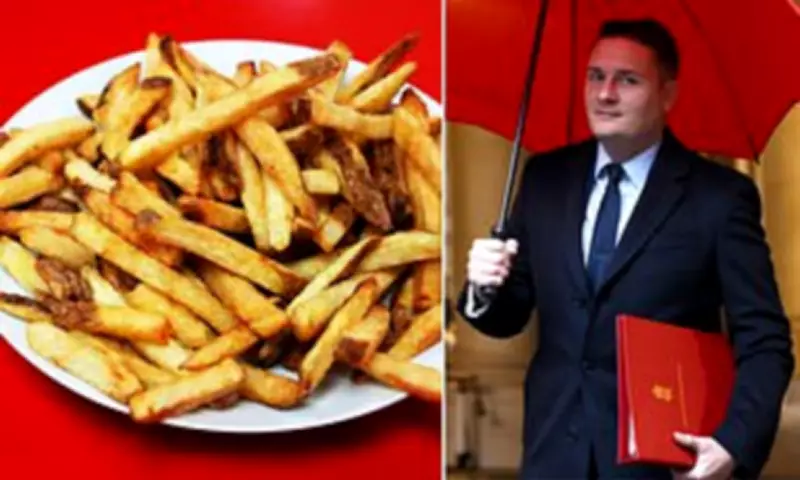
Labour is poised to implement a controversial redefinition of junk food that would classify products like smoothies and yoghurts as unhealthy, a move that has triggered significant alarm among supermarket executives and food producers. Industry leaders warn this policy shift could drive up prices for consumers and create widespread confusion about nutritional choices.
Resurrected Nutrient Profiling Model
Health Secretary Wes Streeting has revived a previously abandoned plan to update the nutrient profiling model used to determine whether foods are considered high in fat, salt, and sugar (HFSS). This revised model substantially reduces the permitted levels of calories, saturated fat, and sugar for products to be classified as healthy, potentially redefining numerous nutrient-rich items as junk food.
Industry Concerns Over Free Sugars
The food industry has expressed particular concern about being penalised for free sugars, which include naturally occurring sugars found in fruit juice, honey, and smoothies. This classification could create the paradoxical situation where a glass of orange juice is simultaneously considered junk food while counting toward the recommended five daily portions of fruit and vegetables.

Government ministers argue that children are consuming double the recommended amount of free sugars and that these changes will reduce their exposure to unhealthy foods. However, industry representatives counter that determining precise free sugar content presents significant technical challenges for food producers.
Historical Context and Implementation Timeline
The updated nutrient profiling model was originally approved in 2018 but was shelved by the previous Conservative government following strong opposition from business leaders. The Labour government now plans to put the model out for consultation in spring, with potential implementation by the end of Sir Keir Starmer's term as Prime Minister.
Industry Investment and Regulatory Uncertainty
The Food and Drink Federation (FDF), representing food producers, highlights that companies have already invested millions in reformulating products to meet existing health standards. Kate Halliwell, chief scientific officer at the FDF and a registered nutritionist, expressed frustration that regulations are being reconsidered before current rules have been properly implemented.
"The fact is the regulation is only just in force - the ink isn't even dry and the Government is looking to change it," Halliwell told the Daily Mail. She warned that advertising restrictions on newly classified junk foods could undermine investments in healthier product versions, making them commercially unviable.
Current Regulatory Framework
The existing junk food assessment model was developed by the Food Standards Agency during Tony Blair's premiership. First implemented in 2007 to ban advertisements during children's television programming, it has since expanded to restrict HFSS food advertising across all pre-watershed television and online platforms, while also prohibiting multi-buy promotions and prominent in-store displays.
These regulations currently affect approximately thirteen food categories, ranging from sugar-sweetened soft drinks to cereal bars, ice cream, crisps, chocolate, and pizza. Notably, brand advertisements featuring company logos without visible products remain permissible.
Reformulation Efforts and Consumer Confusion
The food industry has reduced sugar and salt content by approximately one-third across product ranges in recent years. Major manufacturers have made substantial investments to meet existing HFSS guidelines, including Pepsico's £13 million investment in its Coventry factory to reduce salt and fat in Doritos, and Mondelez's reformulation of Belvita products.
Analysis suggests these reformulated products would fail to meet the proposed new standards, potentially rendering recent investments obsolete. Even traditionally healthy options like high-fibre cereals could be classified as junk food under the revised free sugar rules, creating confusion for consumers attempting to make informed dietary choices.

Potential Market Consequences
Industry experts warn that some product lines may become commercially unsustainable if classified as junk food and subjected to advertising restrictions, potentially leading to product withdrawals from the market. Jason Richards, senior vice president at Pepsico, which also owns Walkers Crisps, emphasised the need for regulatory stability to encourage continued product innovation and reformulation.
Supermarket representatives have echoed these concerns, with Aldi's Liz Fox telling a Commons select committee that the new model could increase prices by diverting resources from price reduction initiatives to compliance efforts. She warned that shoppers attempting to make healthy choices could become confused if products like yoghurts and granola are categorised as junk food.
Government and Health Charity Perspectives
The Department of Health and Social Care maintains that the updated nutrient profiling model aligns with its ten-year plan to reduce children's sugar consumption. The government emphasises its collaborative approach with industry while acknowledging the need to address childhood obesity.
Health charities have welcomed the proposed changes, with Katharine Jenner of the Obesity Health Alliance, who co-chaired the group that developed the guidelines, stating: "Updating the Nutrient Profiling Model isn't moving the goalposts - it's making the game fairer. This measured, long-overdue update better reflects modern dietary guidance."
The department spokesperson added: "We are working in partnership with businesses, who want to do the right thing and help families raise the healthiest generation of children ever. We can't just sit back and leave increasing numbers of kids to grow up living with obesity, setting them up poorly for life, but we also want to support industry."