Collectors Beware: The Rise of Fake Antiques and How to Avoid Scams
In the world of collectibles, from high-end antiques to vintage Dinky Toys and Star Wars memorabilia, fraudsters are employing sophisticated methods to deceive buyers into believing they are purchasing the real deal. This growing trend poses a significant risk to enthusiasts and investors alike, but with vigilance and knowledge, you can protect yourself from falling victim to these scams.
The Art of Deception in Collectibles
Kayleigh Davies, an experienced valuer at Auctionet, recounts a telling example: a vase purported to be from the luxury glass-maker Lalique was found to be a fake. "The seller had paid somebody to engrave 'Lalique' on to the bottom," she explains. "It was a perfectly nice vase we would have sold if he hadn't had it engraved, but we had to turn that away." This incident highlights how even subtle alterations can mislead buyers, underscoring the importance of scrutiny.
Scams involving antiques and collectibles are not new, but the internet has expanded the reach of fraudsters, making it easier to target a wider audience. Davies notes that items like Star Wars action figures in original packaging can fetch thousands of pounds, but scammers may insert cheap figures into authentic-looking boxes to trick buyers.
Red Flags to Watch For
To avoid being duped, collectors should be aware of common tactics used by fraudsters:
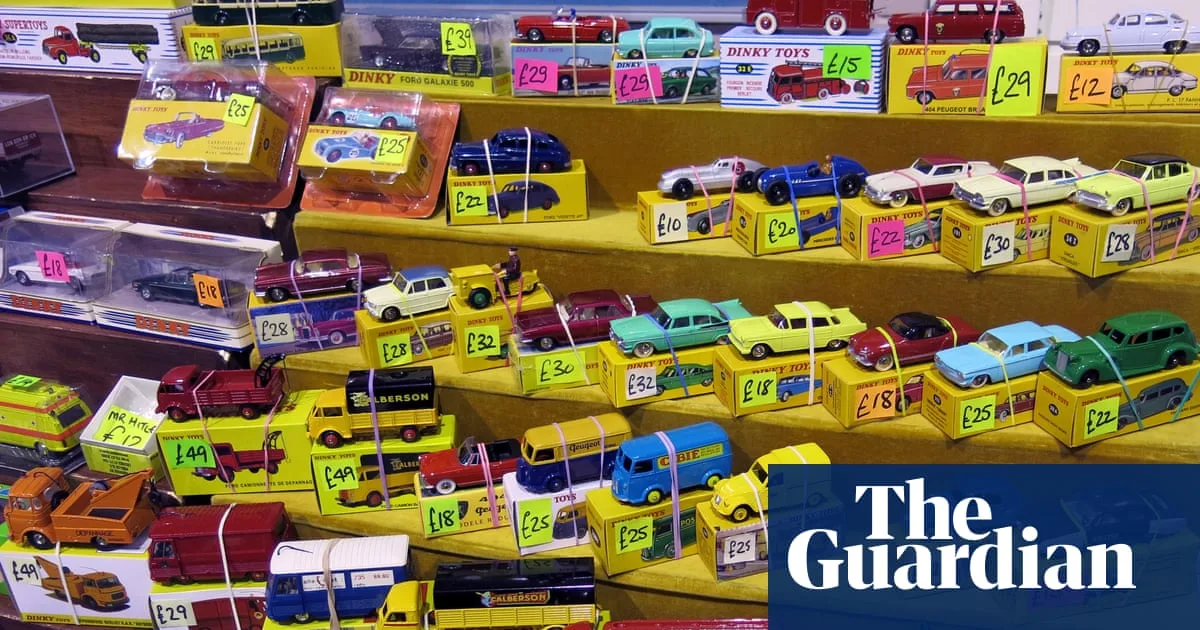
- Repainted Items: For instance, Dinky Toys cars might be repainted to mimic rare colours. Check for signs like unscrewed bases, which could indicate tampering.
- Restored Damage: Sellers may claim an item is in perfect condition, but closer inspection might reveal well-hidden cracks or repairs that affect value.
- Lack of Provenance: With autographs, always demand good provenance. "If somebody just has a single autograph, and they don't know where it came from, don't touch it," advises Davies. Ideally, seek video evidence of the signing for modern autographs.
- Electrical Hazards: Be cautious with items like lamps, as faulty wiring could pose fire risks, adding another layer of danger to fakes.
Davies emphasises: "If something doesn't look right, ask a question. If it's a fake, the seller will probably double down and won't want to give you any more information. Always be confident to ask if something seems off."
Legal Protections and Reporting Scams
If you suspect you have purchased a fake, there are steps you can take to seek redress. Platforms like eBay have policies against counterfeit goods and offer money-back guarantees if items do not match their listings. Under UK law, you have the right to a refund for fake goods.
- Chargebacks: For purchases made with a debit card or credit card under £100, you can initiate a chargeback through your bank.
- Section 75 Claims: For credit card purchases over £100, you can make a Section 75 claim for protection.
- Reporting: Suspected fraud can be reported to Report Fraud, the national reporting centre, or to Trading Standards via Citizens Advice.
This issue is so prevalent that exhibitions, such as the 'Art of Crime' at the Victoria and Albert Museum in London, have showcased famous fakes, highlighting the scale of this deceptive business. By staying informed and proactive, collectors can safeguard their investments and enjoy their hobbies without fear of fraud.