

I couldn’t stop impulse buying – but these ‘buy less’ tricks helped me save hundreds. I spent a month testing anti-consumption strategies, from cash stuffing to ditching Amazon Prime, to find the ones that genuinely cut my spending.
How to buy less stuff
Set a budget – and stick to it
I drew up a budget that included allowable “wants” and wriggle room for unexpected essentials. Impulse buys were banned. Difficulty level: 6/10. How much it saved me in a month: £350.
Ditch Amazon Prime
I didn’t unsubscribe but used ‘Save for later’. Their appeal faded. Difficulty level: 3/10. How much it saved me: £280.

Switch back to cash
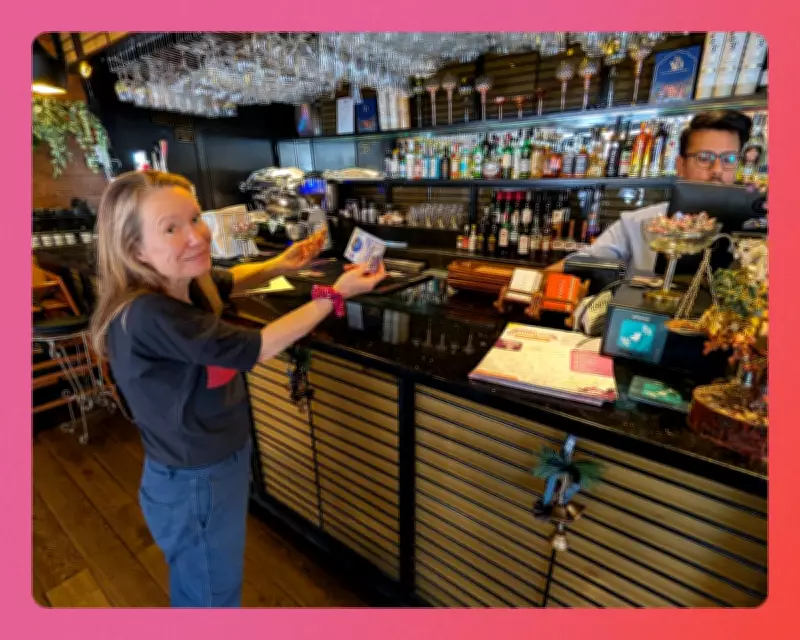
Cash stuffing works because it’s hard to use these days. I gave myself a weekly cash allowance of £250. Difficulty level: 6/10-10/10. I failed after two weeks but saved at least £200.
Go shopping in your own home
Review what you actually have before buying something new. I unearthed forgotten clothes and tools. Difficulty level: 9/10. How much it saved me: £150 or more.
Unsubscribe from retailers’ newsletters
Opting not to receive retailer newsletters may prevent impulse buying. Difficulty level: 1/10. How much it saved me: potentially £100.
Buy secondhand
Buying preloved is less wasteful. I found a hammer drill for £17.99 on eBay versus £70 new. Difficulty level: 5/10. How much I could have saved: £90.
Jane Hoskyn is a journalist who has spent over 30 years writing about consumer temptations.






