Hotpoint's senior product manager for cooking, Ecem Uslubaş, has shared guidance on where to place different foods in the oven, explaining that the middle shelf is not always the best option. According to Uslubaş, ovens have distinct heat zones, and matching food to the right one can make a real difference to texture, colour and cooking time.
Pizza and bread belong on the lower shelf
For frozen or fresh pizza, the lower shelf is better than the middle. Uslubaş said: "The lower shelf sits closer to the heat source, which helps crisp up the base properly rather than leaving it soft in the middle. A soggy base is usually a sign that the pizza needed to be nearer the bottom of the oven rather than left where the heat is gentler."
The same rule applies to bread, where heat from below gives home-baked loaves a firmer crust and a better rise. Uslubaş explained: "Bread relies on a strong burst of heat from below to help it rise fully before the crust sets. Placing it too high in the oven can leave the base pale and slightly undercooked, even when the top looks ready."
Where to bake cakes, meringues and pies
Sponge cakes and similar cakes cook best on the second shelf, where they receive even heat. Meringues, however, need long, slow heat, so they should be baked on the lower shelf at a reduced temperature. Uslubaş said: "The aim with meringue isn't really cooking in the traditional sense, it's drying out the mixture gently. Too much heat too quickly can cause cracking or an overly golden finish."
Cookies and biscuits are best baked on the middle shelf for even heat distribution. For shortcrust pies, such as apple or blackberry, the lower shelf is recommended so the base can crisp up. Uslubaş said: "Wet fillings, such as fruit or custard, are the biggest culprit for a soft base. A lower shelf gives the pastry the best chance of crisping up before the filling has a chance to soak through."
Roast dinner shelf placement
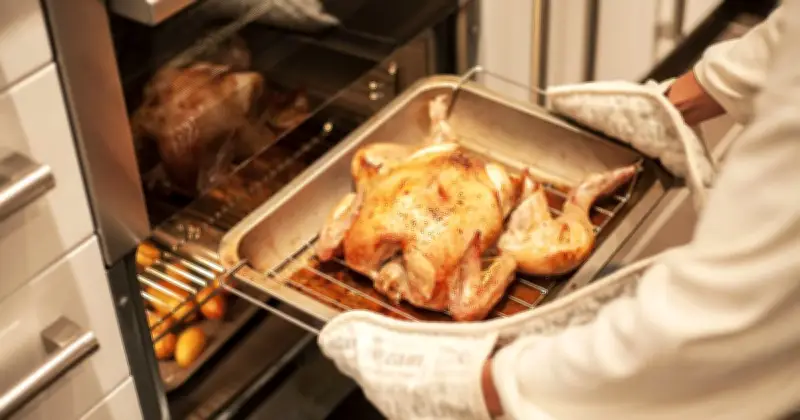
For a Sunday roast, the meat should go on the middle to lower shelves so heat can circulate. Uslubaş said: "Root vegetables can go on the shelf above, so they catch more direct heat and crisp up properly. Splitting the oven this way means the meat cooks gently while the vegetables get the stronger heat they need for colour."
Yorkshire puddings need intense heat to rise properly, making the top shelf the best spot. Uslubaş said: "The fat needs to be smoking hot before the batter goes in, and keeping the tray near the top of the oven helps maintain that intense heat throughout cooking. Opening the door too early is the most common reason they collapse, so it's worth resisting the urge to check on them too soon."
Regardless of shelf placement, airflow and space are the most important factors. Uslubaş explained: "Leaving space around trays and dishes lets hot air circulate properly. Overcrowding the oven is one of the most common reasons food cooks unevenly, regardless of which shelf it's on."