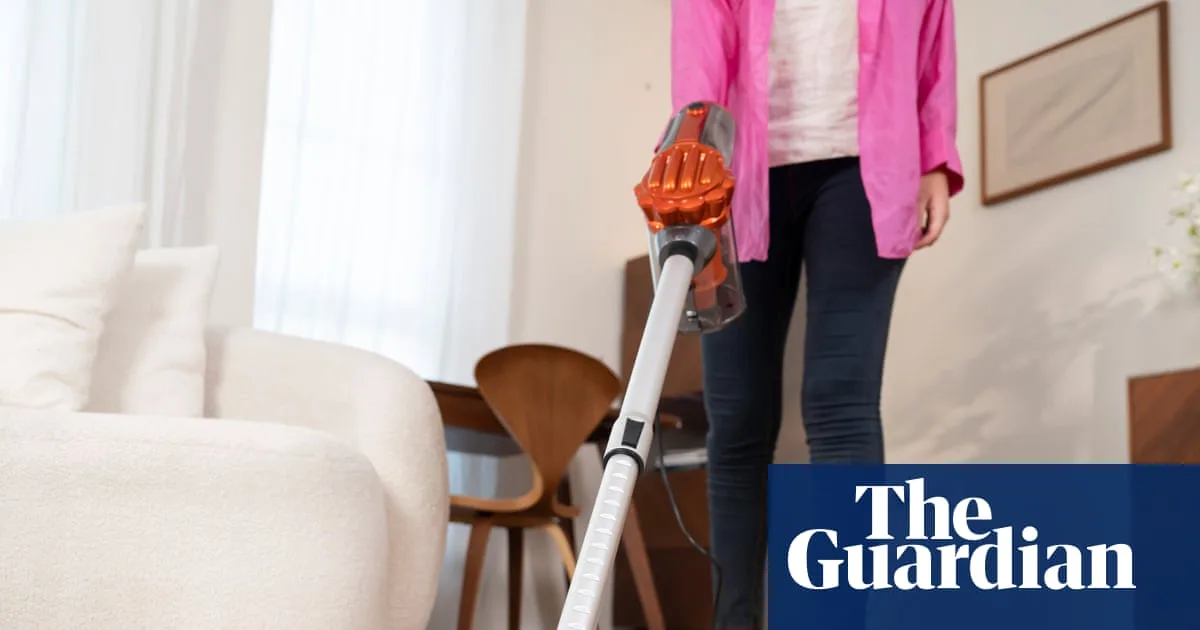
If you tend to rush around the house with a vacuum cleaner, you have likely been doing it incorrectly, according to experts. They advise spending at least 30 seconds hoovering each square metre of your home to achieve a thorough clean.
Why 30 Seconds Per Square Metre Matters
Being this meticulous allows the machine to effectively suck up dirt and dust from your carpet, unlike a quick once-over that can leave debris behind. This is particularly important in high-traffic areas such as entrance halls and living rooms.
Katie Lilywhite, floorcare expert at AO, told the Daily Mail: 'Vacuuming for around 30 seconds per square metre isn't an arbitrary rule, it reflects how modern vacuums actually remove embedded dirt. Dust, hair and microscopic particles don't just sit on the surface; they work their way deep into carpet fibres and textured flooring. Effective cleaning needs a combination of strong airflow, agitation from the brush bar, and, crucially, time in contact with the surface. Moving too quickly reduces that contact time, which means the vacuum can't lift heavier debris or fine dust effectively.'
Ms Lilywhite explained that slower, more methodical passes allow a vacuum's suction to fully engage, giving airflow enough time to dislodge and capture particles trapped within a carpet. 'That's why around 30 seconds per square metre is a useful benchmark for achieving a noticeably deeper clean, particularly in high-traffic areas or homes with pets,' she added. 'It's easy to underestimate how long you should spend vacuuming, but if you want the best results, it's worth slowing down, overlapping your passes and vacuuming in multiple directions to help lift carpet fibres. It's all about working smarter, not harder, ensuring the vacuum operates at its designed and delivers a visibly deeper clean.'
Additional Tips for Effective Vacuuming
She also shared other tips to get the best clean using a vacuum. 'Most vacuums come with multiple attachments which can offer you versatility in cleaning tight spots, upholstery and brushes for dusty or delicate surfaces. Use them as much as possible as the correct attachment for what you're cleaning can make a huge difference to achieving a deep clean. Be mindful of how full your vacuum is as you're cleaning and be sure to empty the bag and filter regularly. Aim to empty the dust bag once it's half full to prevent clogs and keep your vacuum operating efficiently.'
Ketan Patel, Dyson's senior design manager, previously revealed the best ways to vacuum your home. 'We recommend vacuuming once in each direction. More passes over an area will give the machine the best chance of cleaning well, but any more than two or three times in one direction gives minimal increase, according to our research.' He also suggested washing the vacuum filter once a month to maintain maximum suction power and properly cleaning out the dust compartment.
What to Avoid Vacuuming
Experts at Which? have also revealed items you should never hoover up. 'If your vacuum is making a strained, desperate noise and the suction has dropped, it could be blocked because you've hoovered up something you shouldn't have. Poor suction and blocked filters are among the most common problems reported by corded and cordless vacuum owners. It's also worth remembering that some household spills, tempting as it is to suck them up, are like kryptonite to your vac – Dyson or otherwise.'
Things to avoid include ash and sawdust, which can jam filters and reduce suction. Sharp objects like broken glass can lodge in the hose and motor. Soil and plant debris should be cleaned with a dustpan and brush, as vacuum force can grind dirt deeper into carpet. Liquids pose a safety risk and could cause an electrical fire.
Why Do We Say 'Hoover'?
The term 'hoover' originates from The Hoover Company, which dominated the vacuum cleaner market in the mid-20th century. As a result, many people, especially in the UK, use 'hoover' to refer to any vacuum cleaner or as a verb for vacuuming. The brand's influence persists today.