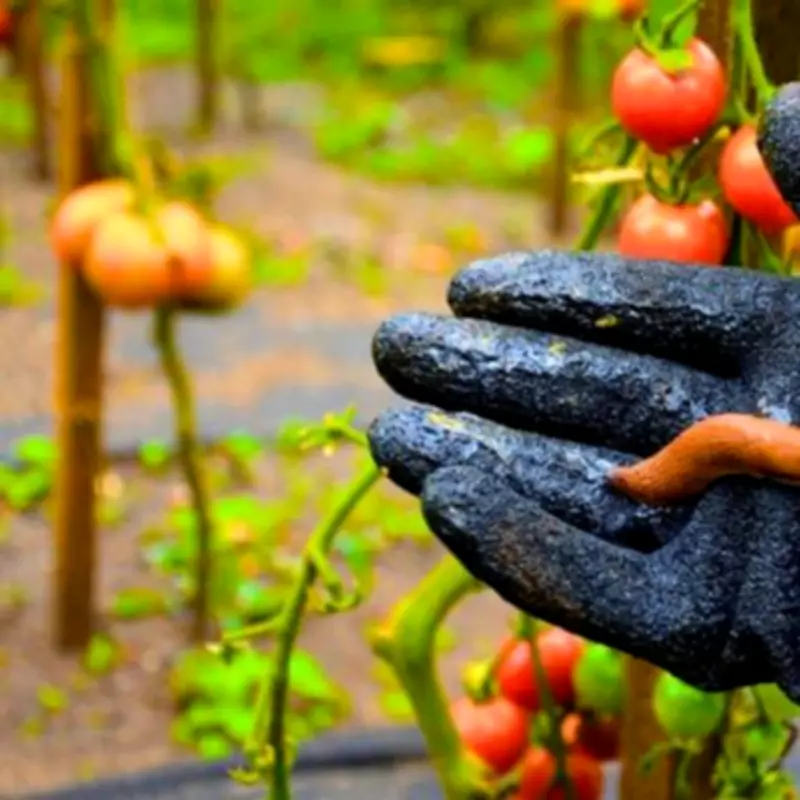
Slugs can reduce thriving plants to tattered leaves overnight, but there is a clever way to deter them using food scraps that would otherwise be thrown away. Late spring is typically the worst period for slug activity, as they tend to target young, newly sprouting plants whose soft foliage is far easier to devour and destroy.
Why Grapefruit Works as a Slug Trap
It is extremely common for slugs to wreak havoc in gardens from late May to early June, yet it is strongly advisable to steer clear of chemical pesticides that could also prove harmful to bees, butterflies and birds. Instead, Peter Nyssen, an award-winning flower specialist, has revealed a straightforward gardening technique that will drive them away from plants — and all it requires is a grapefruit rind.
The expert said: "Eat half a grapefruit for breakfast and then use it as a slug trap. Put a couple of small holes in each side and then turn it upside down. Slugs love grapefruit and will gather to eat it, instead of your plants."

Slugs are drawn to fermenting sugar, which is precisely why this method proves so successful, as the grapefruit rind is virtually irresistible to them. They will opt to feast on the fruit rather than your plants, while also relishing the dark, damp shelter it provides. Once they have crawled inside the grapefruit rind, however, the slugs will not be able to make their escape — meaning you can simply dispose of them in the bin come morning.
Benefits of This Natural Method
Using grapefruit requires minimal effort, is kind to the environment, and best of all, costs nothing more than the price of a single grapefruit — making it well worth a try to see whether it can rid your garden of slugs. It ranks among the simplest methods for keeping slugs at bay, and acting now is ideal — giving the pests no opportunity to lay eggs and allowing you to tackle the problem before summer rolls around.
Step-by-Step Guide to Setting Up a Fruit Trap
- Start by cutting a grapefruit in half, then scoop out or eat the fruit itself. Only the rind is needed for this slug trap to work.
- Lay the grapefruit flat and make two small holes near the edge so slugs can easily crawl inside.
- Position the half rind on damp soil close to any plants being targeted by slugs, then leave it overnight.
- Come morning, pull on a pair of gloves, pick up the rind and bin it. Every slug that crept into the grapefruit during the night will be disposed of along with it, putting a stop to the damage they cause to your plants.
Alternative Traps and Tips
If you prefer, a melon rind works just as well for this trap — simply sprinkle some orange peel inside to make it even more appealing to slugs. Some gardeners also swear by a shallow bowl filled with beer as a similar trap that drowns them, while others opt for leftover coffee grounds, as slugs are known to detest the scent of caffeine.