Consumer rights campaigner Martyn James has shared his top tips for making holiday money go further, based on a recent Mirror column. He notes that the average family of four using a high-street bank credit card on a week-long holiday could pay around £250 in fees, charges and poor currency conversion rates. With a little pre-travel research, travellers can avoid these costs.
Make a Holiday Budget
Before travelling, sit down and work out an ideal budget. If not staying at an all-inclusive resort, plan for meals, travel, essential costs like sun lounger hire, taxis and excursions. Check online travel guides and pick a couple of restaurants to get an idea of prices. Work out the daily spend and add an extra 25% of cash or credit for emergencies.
How Much Cash Should I Take?
In Western Europe, plastic is widely accepted, but small cafes and taxis often prefer cash. Other countries are more cash-driven. For well-travelled destinations, a 20% cash and 80% card split is suggested. For Greece or Turkey, where cash is more common in venues and shops, consider a 60/40 split between cards and currency.
Travel Debit Cards and Pre-Paid Cards
Travel debit cards are a personal favourite of James. These cards link to bank accounts and draw down money when paying. They often offer the best all-round exchange rates without fees. James uses Currensea but notes other cards are available. The cards allow real-time spending tracking via app, and some send daily summaries in both foreign currency and pounds. Since the money doesn't live on the card, there's no worry if the card company goes bust. Users can also charge back cash in disputes over goods or services.
Using a Credit Card
Some credit cards designed for travellers offer competitive exchange rates on the day of spending. However, not all credit cards are equal, and APR can be much higher if the bill isn't paid in full monthly. Compare cards online, but allow weeks for application, acceptance and delivery. Check fees for using cards abroad. Credit card purchases over £100 are covered by Section 75 of the Consumer Credit Act, useful for flights or accommodation disputes. Pay the card off immediately to avoid high interest.
Using a Debit Card
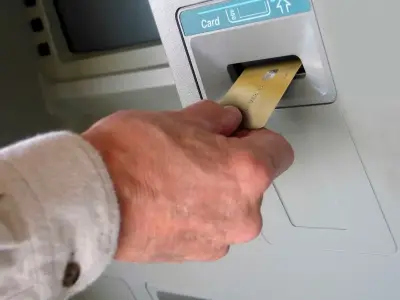
Paying by debit card, especially withdrawing cash, can be expensive abroad. Most major banks charge fees per transaction and offer poor exchange rates. For example, withdrawing cash at a French ATM and selecting 'pounds' could incur a machine fee, two currency conversion rates (French bank to euros, UK bank to pounds), and fees for conversion and processing. Avoid withdrawing cash abroad, and never do so on a credit card as it signals poor credit risk. Many new online banks offer travel-friendly debit cards with no fees and reasonable rates. Check the bank's website for ATM withdrawal charges, hidden fees, and the exchange rate on the day.
Buying Foreign Currency
Before travelling, use comparison sites to check exchange rates and avoid being ripped off. Convert cash budget into foreign currency to know what to expect. Online Bureau de Change often have great rates; MoneySavingExpert has a comparison tool. Money can be posted, but the recipient must sign for it. Traditional banks and high street options usually have poor rates, so shop around.
Don't Forget the Golden Rule
Never buy currency at the airport. The rates are poor both for buying and selling. Anything else is better than airside.