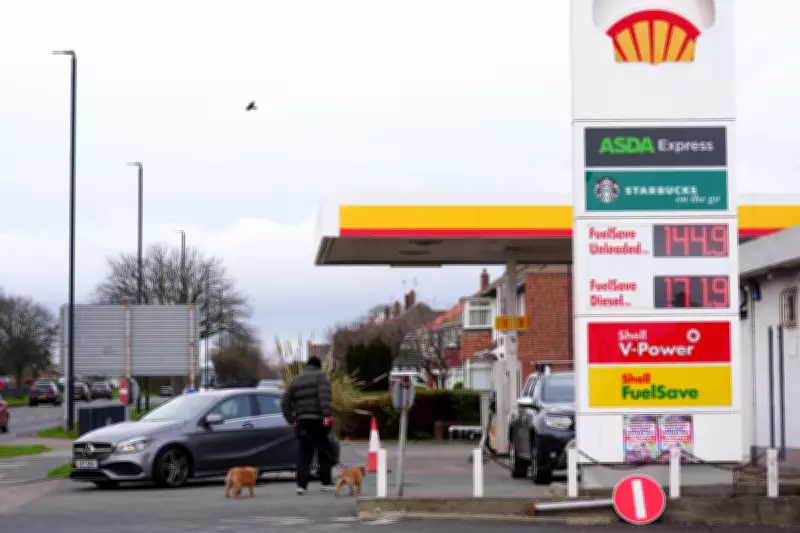
The UK's competition watchdog has issued a stark warning to fuel retailers, placing them "on notice" that it is intensifying scrutiny of petrol and diesel prices in response to the ongoing Middle East conflict. The Competition and Markets Authority (CMA) has formally notified companies operating thousands of fuel stations across the country that it is accelerating requirements for them to submit detailed revenue, costs, and sales data.
Enhanced Monitoring and Data Collection
This proactive move by the CMA is designed to expedite its review of fuel margins since the conflict began, ensuring transparency in pricing practices. The watchdog emphasised that it will closely analyse how swiftly fuel prices adjust to changes in wholesale costs, specifically investigating potential "rocket and feather" pricing—where prices rise quickly but fall slowly.
Fair Pricing Amid Economic Pressures
While acknowledging that businesses, including fuel stations, face significant pressures from rising energy costs that may legitimately affect prices, the CMA warned retailers against exploiting the situation. Any evidence of such behaviour will be highlighted in an upcoming pricing update, which the authority pledged to publish promptly.

Juliette Enser, the CMA's executive director for markets, stated: "Whilst price increases might be inevitable because of rising wholesale costs, it is important that those increases reflect genuine cost pressures. We will be closely scrutinising and reporting on what's happening with fuel prices and call out any concerning behaviour."
Recent Fuel Price Surges
Recent data underscores the urgency of this monitoring. The RAC reported on Wednesday that diesel prices have surged by nearly 9% since February 28, with petrol prices averaging a 6% increase over the same period. Simon Williams, head of policy at the RAC, commented: "Drivers tell us the cost of motoring is a major concern, and fuel is a huge contributor to that, so making sure they're paying a fair price at the pumps is essential. For that reason, we welcome the competition watchdog's scrutiny of what's happening on forecourts across the country."
RAC fuel watch data reveals that average prices have skyrocketed in under two weeks, with petrol rising by 7p to 140p per litre and diesel by 16p to 158p per litre. This increase adds approximately £4 to the cost of filling a family car with petrol and £8 with diesel, exacerbating financial strain on households.
Government Response and Priorities
In parallel, Energy Secretary Ed Miliband engaged with business leaders and energy suppliers on Thursday to address the cost of living crisis. Officials noted that he emphasised affordability as the Government's "number one priority" and discussed lessons learned from previous energy market disruptions.
Miliband said: "Tackling the cost-of-living crisis is our number one priority. That's why we took action at the budget, and the price cap is coming down in April as a result. I know many people will still be concerned by the impact of events in the Middle East. Today I met with executives from across the energy market to discuss these issues. The Government will keep working with the sector closely in the coming weeks and months."
This coordinated effort between the CMA and the Government highlights a robust approach to ensuring fair fuel pricing, protecting consumers from potential exploitation during a period of global instability.