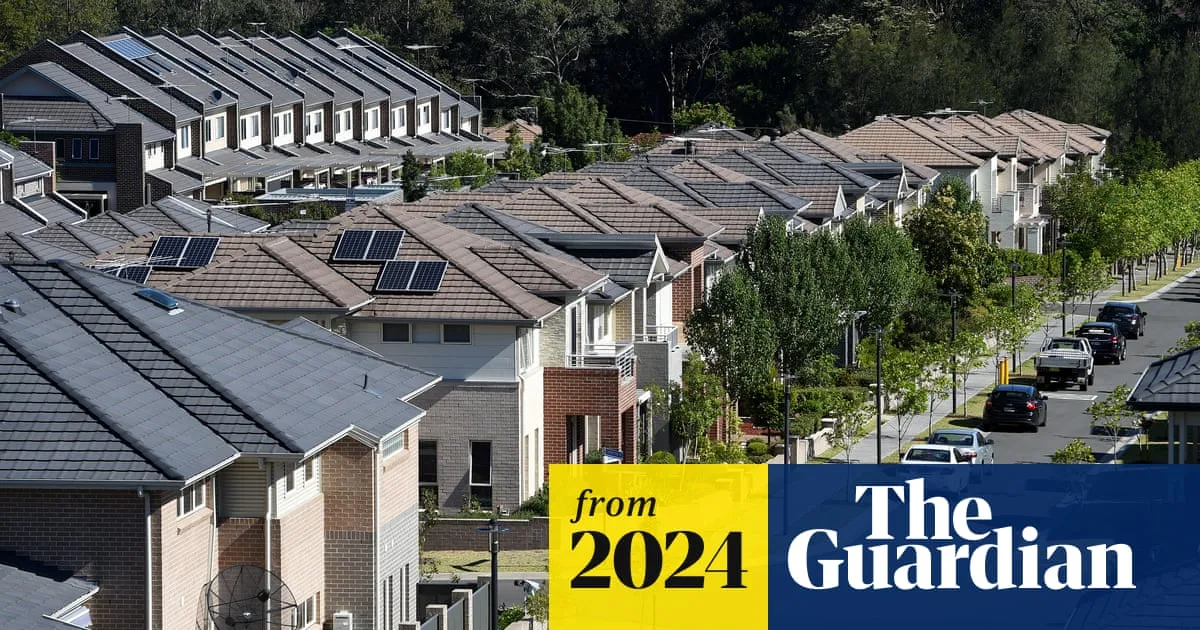
A leading Australian economist has cautioned that the nation's decades-long housing 'super cycle' is showing signs of strain as rising interest rates and impending tax reforms begin to impact the property market.
What is a housing super cycle?
Shane Oliver, chief economist at AMP, described a housing super cycle as a prolonged period, typically lasting 20 to 40 years, characterised by sustained increases in house prices. According to Oliver, Australia's recent super cycle was fuelled primarily by declining interest rates and expanding credit availability, alongside robust population growth, constrained housing supply, tax incentives for investors, and a rise in dual-income households.
Pressures on the super cycle
However, Oliver noted that this trend is now facing headwinds from rising long-term interest rates, deteriorating affordability, reduced tax concessions for property investors, and policy shifts towards lower immigration. These factors collectively threaten to curtail decades of property price appreciation.
Oliver warned that Australians should brace for price declines over the next year. 'After 8.9 per cent growth in 2025, we now anticipate a fall in national average home prices of around 1 per cent this year and 5 per cent over 2026-27,' he said.
Rate hikes and mortgage impacts
He also predicted two additional rate hikes, which would push the Reserve Bank of Australia's official cash rate to a peak of 4.85 per cent. This would add approximately $200 per month to repayments on a $600,000 mortgage. For borrowers with a $600,000 mortgage and 25 years remaining, the three rate increases already implemented in 2026 have added $272 per month compared to the start of the year.
'The RBA has raised rates three times back to their prior 2023 cycle high. While it's likely to leave rates on hold this month, we expect another hike in August,' Oliver stated.
Affordability and global factors
Oliver highlighted that the ratio of home prices to wages and incomes is at record levels. Combined with rising mortgage rates, this is widening the gap between what buyers can afford and current property prices. Global factors are also weighing on the outlook. 'Confidence has plunged, as have perceptions of whether it's a good time to buy a dwelling,' Oliver said. 'The longer the Strait of Hormuz takes to return to normal, the greater the risk of recession and higher unemployment, which could be a major drag on property prices.'
Tax changes and investor demand
The May Budget's proposal to abolish negative gearing for new purchases of existing homes and reintroduce taxation on real capital gains at a minimum 30 per cent rate is expected to reduce investor demand. 'These tax changes mean lower after-tax returns for investors going forward, so new investors will demand either lower prices or higher rents,' Oliver explained. Banks are now lending less to property investors because the tax changes have reduced their rental income.
Cautious predictions
Despite these pressures, Oliver urged caution in declaring the super cycle's end, noting he made a similar call five years ago only to see it extended by a post-pandemic immigration surge and chronic housing undersupply. 'Calls for an imminent end to the property super cycle need to be treated with caution. I thought it might be close to over five years ago, but it was extended by a surge in immigration coming out of the pandemic and constrained home building resulting in a chronic undersupply of housing,' he said.
A crash would require widespread forced selling by homeowners, but without much higher unemployment forcing sales, this is unlikely as Australians will do whatever they can to keep servicing their mortgages. The super cycle is currently supported by a housing shortfall estimated at around 300,000 homes. 'If it closes quickly due to stronger supply or a faster fall in immigration, then the super cycle upswing may well be over,' Oliver concluded.
Auction clearance rates have slumped to around 51 per cent nationally, the lowest level in six years, while prices in Sydney and Melbourne both fell in May.